




MA// BLOG
PAINT, NOISE AND PRIDE: WHAT AFCON REMINDS US ABOUT FOOTBALL
After about half an hour of Sunday evening’s Africa Cup of Nations final, long before anyone had stormed off the pitch or Panenka’d a woeful penalty into the gloves of a grateful goalkeeper, the camera cut to the stands. There had not been many highlights on the pitch to speak of so far, but the Senegalese fans were more than making up for it. There were seven of them, wearing nothing on their torsos but bodypaint, the letters on their chests spelling out the name of their beloved nation, complete with sailor hats in the colours of their flag and whistles blaring in tuneless celebration as their feet stepped perfectly in time. The match was cagey, the rain was falling in Rabat, but the vibes were flying.
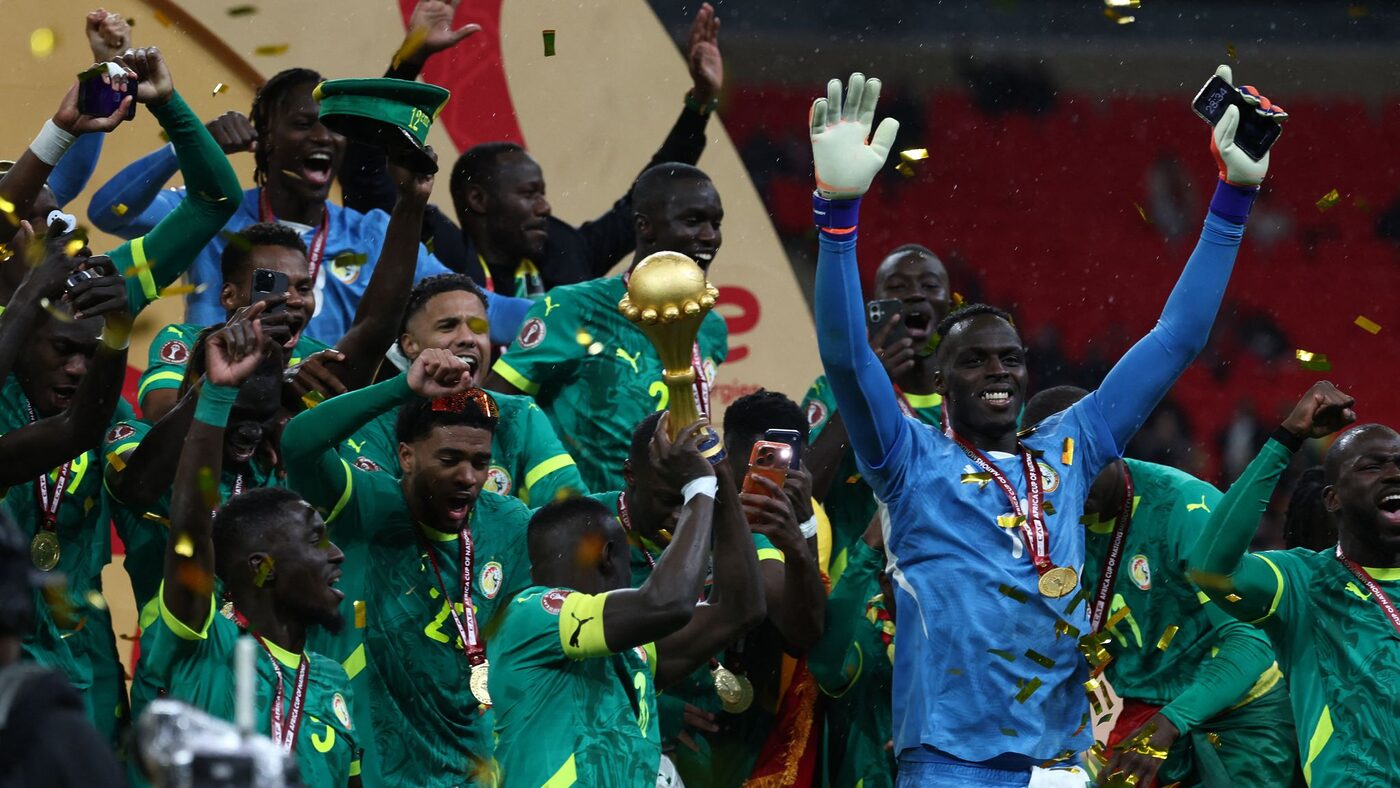
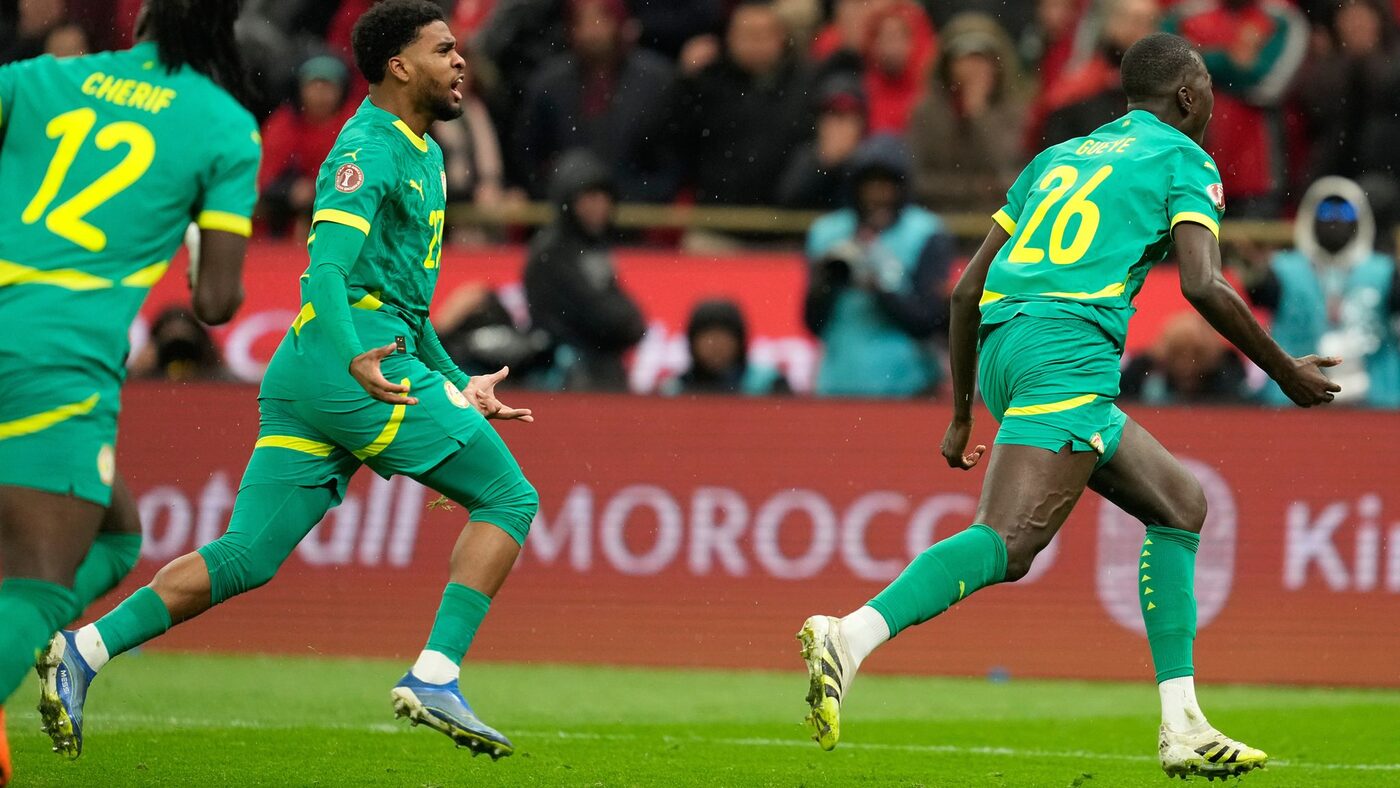
This was the Africa Cup of Nations final in its purest form: passion over polish, expression over expectation. The final itself will be remembered as much for the circus of events that unfolded after the 90-minute mark as for its result: Senegal’s players walked off in protest after a contentious penalty was awarded to Morocco in the eighth minute of stoppage time, only to return and watch as Brahim Díaz chipped his spot-kick meekly into Senegal goalkeeper Edouard Mendy’s hands, sending the final into extra time. Then, in the 94th minute, Pape Gueye’s thunderous strike sealed Senegal’s 1-0 victory and a second AFCON title in three editions of the tournament.
For British viewers and terrace-goers, AFCON remains an underrated spectacle, one that television invariably underplays, yet one that often rewards those patient enough to tune in. It might not have quite as many stars as a World Cup, but what the tournament lacks in celebrity it makes up for in purity of feeling. It reminds fans that football is, first and foremost, a festival of identity.
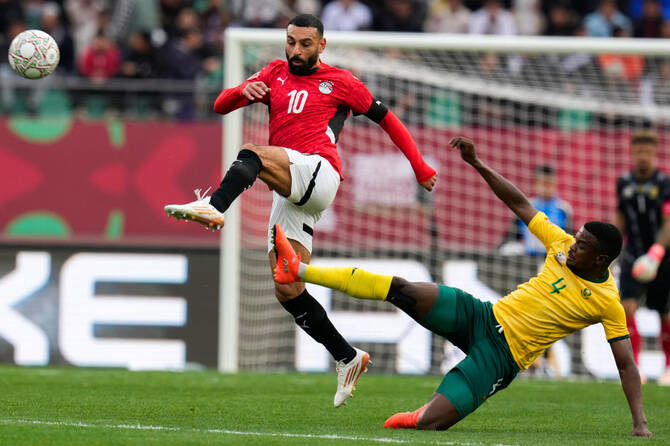
The connection between African football and the English game runs deep. For decades, clubs in England’s top leagues have benefited immeasurably from the talent Africa has supplied. Didier Drogba, Yaya Touré, Jay-Jay Okocha and Mohamed Salah have all lit up the Premier League. But even further down the pyramid history has been written by African players: Yakubu was instrumental in Portsmouth’s ascent to Prem, first scoring goals for Pompey when the second tier was still known as the First Division. Mahmoud Trezeguet was brilliant for Villa as they secured promotion from the Championship in 2019. Nigerian winger Hakeeb Adelakun began his career with a memorable spell at Scunthorpe, while Sudanese forward Mohamed Eisa was prolific for Cheltenham and MK Dons.
In the UK, many fans watch the Premier League through an African prism. Fans have friends, family, or comrades who follow local clubs in Accra, Dakar, Lagos, Cairo or Casablanca, just as avidly as they follow Chelsea or Liverpool. Sundays and midweek evenings in January increasingly feature AFCON matches side by side with domestic fixtures, with pubs filling up and living rooms occupied while supporters follow both. The appeal of the Cup of Nations for many British viewers is that it feels less constrained, less produced and more immediate than other tournaments.
Terrace culture in England often characterises itself by a kind of understated restraint. There is ritual in careful scarf placement, the timing of chants, the watchful eye on opposing fans. In contrast, AFCON crowds wear their hearts on their sleeves (or on their bare bodies, as seen on Sunday in Rabat). Flags become capes, paint replaces shirts, and support is meant to be seen as well as heard. The game in North Africa and sub-Saharan stadiums frequently feels like a party first and a match second.
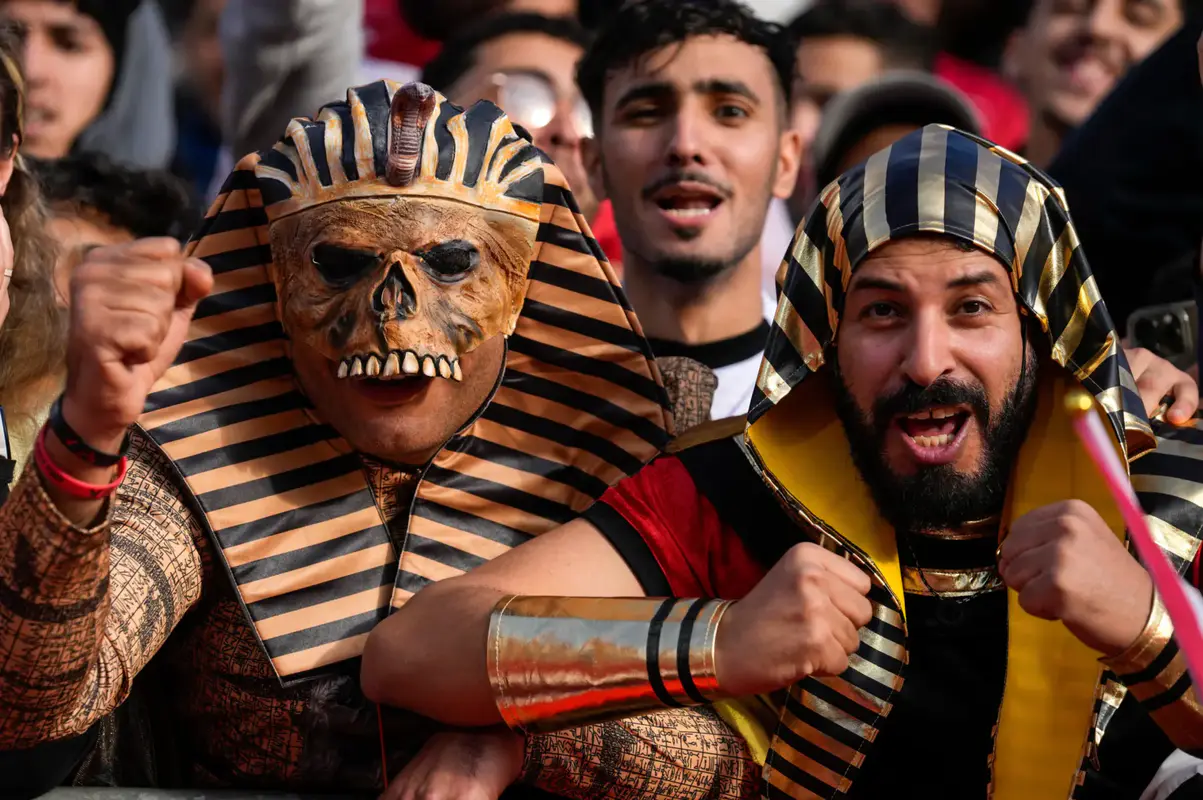
These cultural differences feed back into terrace culture in subtle ways. Younger fans growing up exposed to both Premier League football and AFCON are less inclined to separate celebration from competition. It helps that the modern football audience is more global than ever. AFCON matches are broadcast free to air in the UK, creating an accessibility that was once rare. Fans who only ever dipped a toe into African football before now know players and teams by heart. Conversations on social media, in pubs and on terraces are more likely to include reference to Africa, especially after the bizarre way in which the final unfolded at the weekend.
At the same time, the influence isn’t one-way. Many AFCON supporters wear Premier League shirts in stadiums across Africa. Chants and terrace songs have crossed continents. Players who ply their trade in England bring aspects of English fan culture to their national outfits and back again. It’s a cultural exchange that enriches both games: the vibrant immediacy of African support and the structured, historical ritual of English terraces. They might look different, but they speak the same language of belonging.
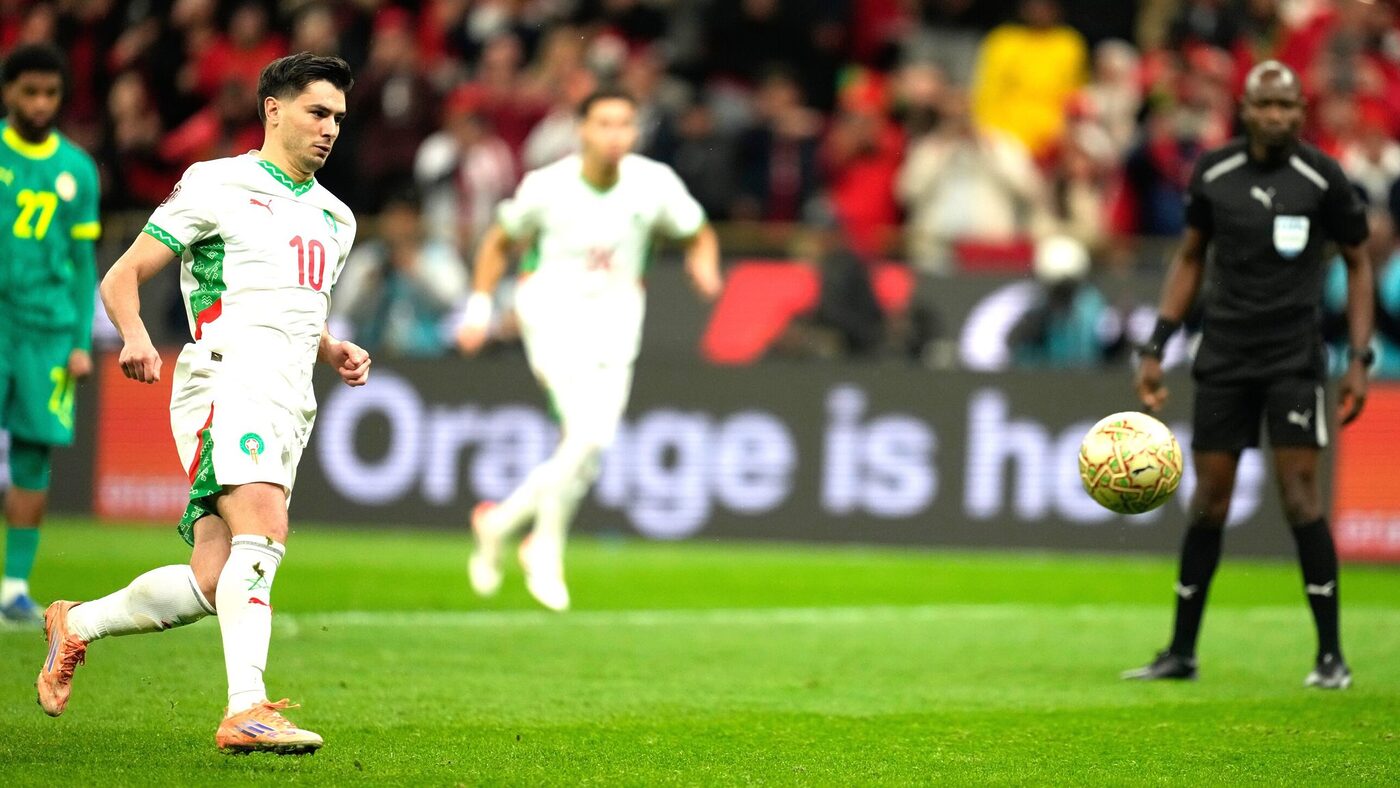
The 2026 AFCON final itself was a microcosm of this dynamic. The nervous energy of a nation chasing a long-awaited title, the collective outcry over a controversial decision, the surreal tension as Senegal’s squad walked off the pitch, and then the catharsis of victory. These are moments that fans anywhere will recognise. The painted bodies in the stands are, in a way, conveying a similar message to the hoarse voices in cold English away ends, or the makeshift drums beating out a rhythm on a Tuesday night in League Two. When Díaz’s penalty floated meekly into Mendy’s gloves, then when Gueye’s winner nestled in the top corner, it was football in its purest emotional form.
For terrace culture in the UK, AFCON is a reminder that football’s essence isn’t found only in polished stadiums and skybox views. It lives in the shared highs and lows, in the rituals unique to each community and in the unfiltered, sometimes chaotic joy of being in a crowd that feels deeply connected to the game. It’s a reminder that support can be exuberant without being contrived, colourful without being superficial, and loud without being shallow.
Nine African nations will be represented at the World Cup this summer. Is it a chance for Morocco to avenge their defeat, or for Díaz to repent for his miss? Time will tell. But one things for sure: when the cameras cut to the stands, you can bet that the African fans will be bringing the vibes.