




MA// BLOG
SS_026 // BEHIND THE COLLECTION
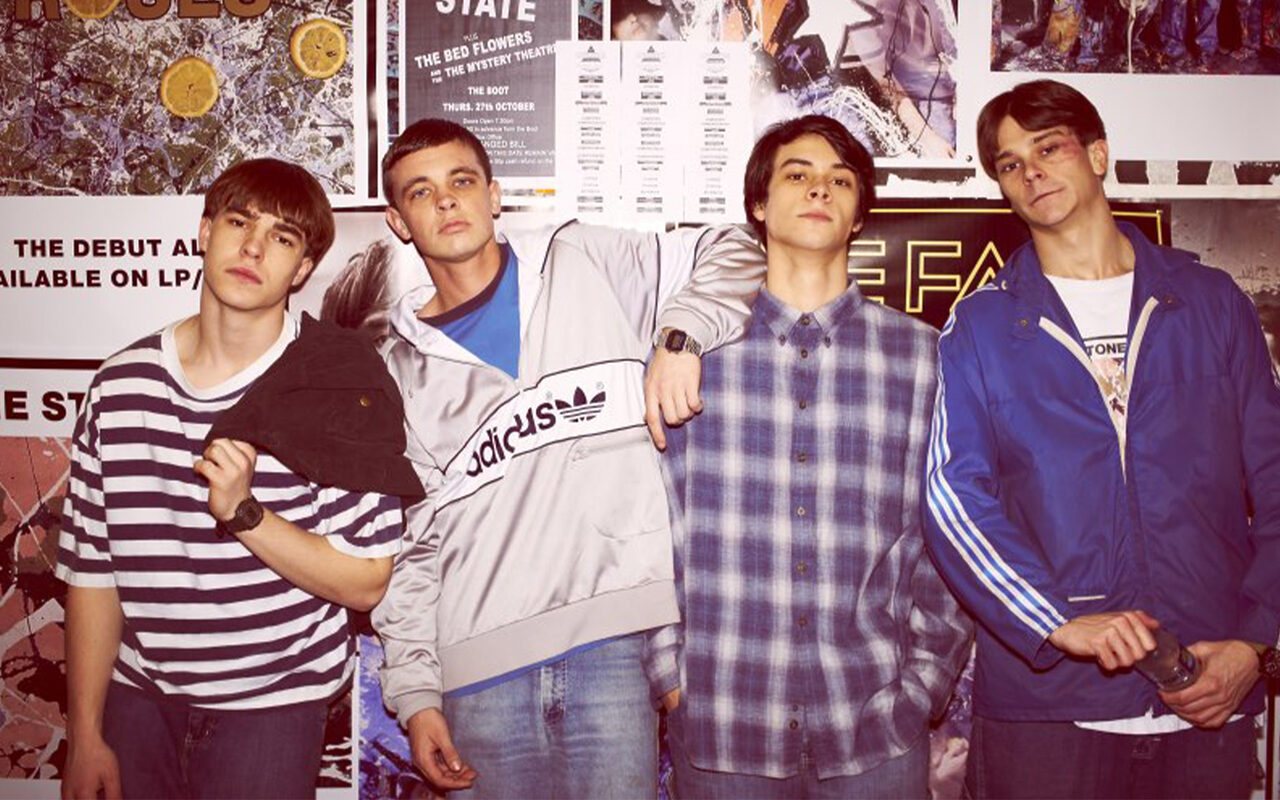
Over the past 18 months, Marshall Artist has been at the heart of something special — a movement rooted in community, creativity, and sound. Our ongoing support of grassroots music, particularly the ever-resilient Indie Rock ‘n’ Roll scene, has taken shape through a partnership with new music champions This Feeling. The highlight? Our ‘By The People, For The People’ tour — a bold initiative aimed at tearing down barriers to live music. With free tickets to hometown headline shows from breakout acts like The Crooks, PG Ciarletta, The Rosadocs, and Rolla, we not only brought people together — we helped save the legendary Salford Lads Club from closure.
In a time where the cost of experiencing live music is out of reach for many, this project wasn’t just about gigs — it was about restoring access to culture, championing the underdog, and reconnecting people with the raw, unfiltered energy of guitar music.
As we looked ahead to SS26, we were lucky enough to attend The Tony Wilson Archive at Smolensky Gallery Proves That Manchester “Does Things Differently” during the research and design stage of the process and it sparked something deeper. We felt a shift. A revival. The sound of guitars back in the mainstream and with Manchester as our spiritual home — the birthplace of Britain’s most seismic cultural revolutions — we delved into the archive. SS26 celebrates 35 years since the Second Summer of Love. A time when music, fashion, and youth collided to create something truly generational.
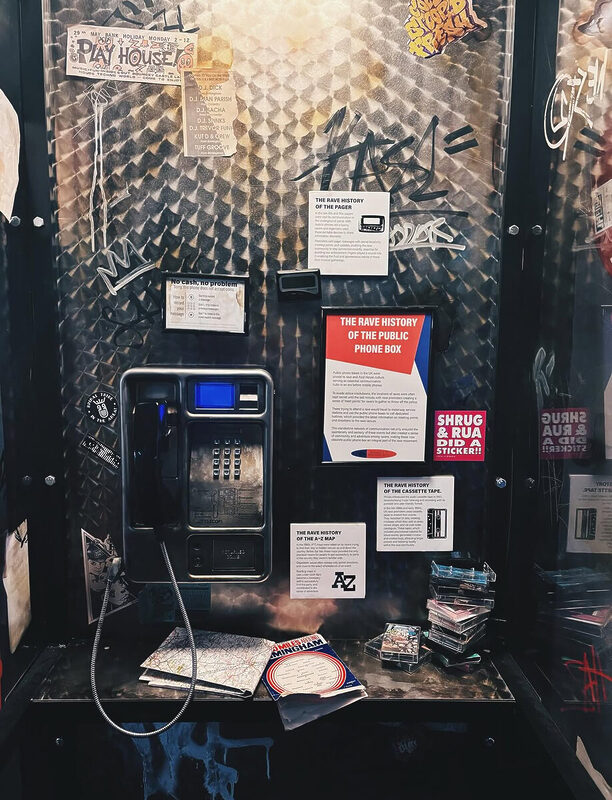
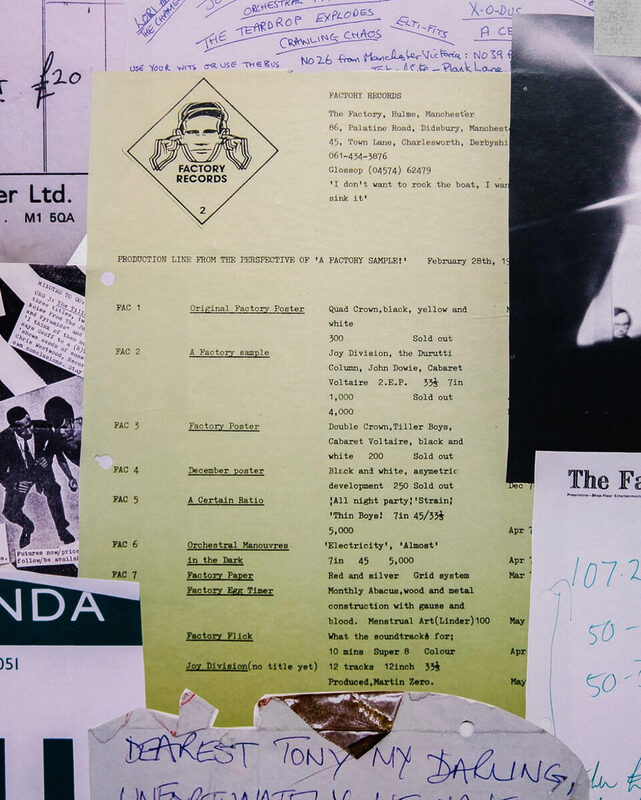
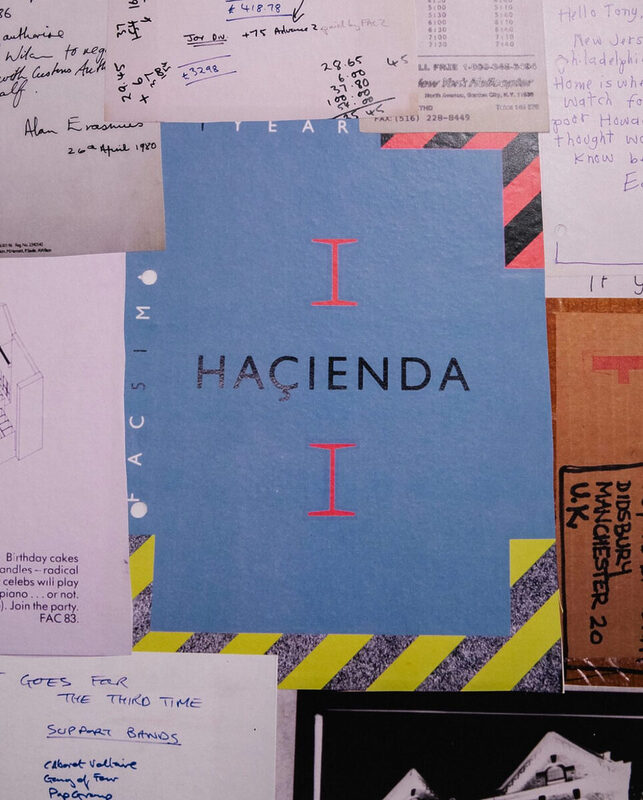
Tony Wilson — broadcaster, cultural catalyst, and co-founder of Factory Records — was never interested in doing things the “right” way. The archive brought together original ephemera from his life and work: posters, photographs, television scripts, contracts, letters, and iconic Factory Records design objects. These weren’t presented as relics behind glass, but as fragments of a living ecosystem — messy, bold, and unapologetically idealistic.
What stood out most was the way Wilson treated culture as a total project. Music, graphic design, architecture, nightlife, and politics all collided under the Factory umbrella. The exhibition traced this cross-pollination through the rise of Joy Division, New Order, The Haçienda, and the visual language that came to define an era — stark typography, industrial references, and a refusal to separate high culture from the underground.
Smolensky Gallery’s presentation leaned into this rawness. The archive wasn’t polished into nostalgia; it was allowed to remain unresolved and provocative. Contracts that famously favoured artists over profit sat beside stories of financial chaos. Idealism and failure existed side by side — a reminder that innovation often comes at a cost.
This tension is a key inspiration behind the SS26 collection. The exhibition captured a way of thinking that values process over perfection, risk over safety, and identity over trend. Manchester’s legacy isn’t about aesthetics alone — it’s about attitude. A belief that creativity should challenge systems, question authority, and remain rooted in community.
The Tony Wilson Archive proved that “doing things differently” isn’t a slogan — it’s a methodology. One that continues to resonate, influence, and inspire new generations of makers, designers, and cultural agitators. For SS26, that spirit is not referenced nostalgically, but reinterpreted: stripped back, reworked, and carried forward with intent.
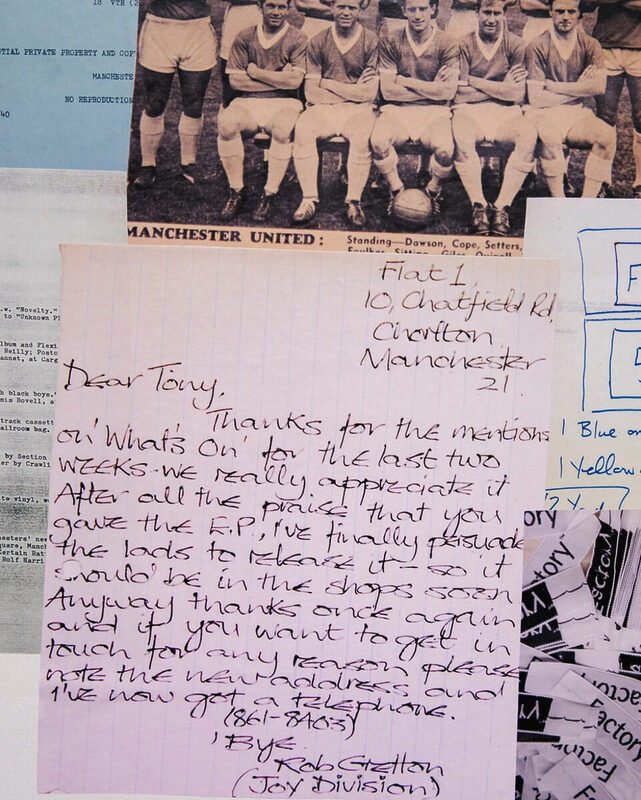
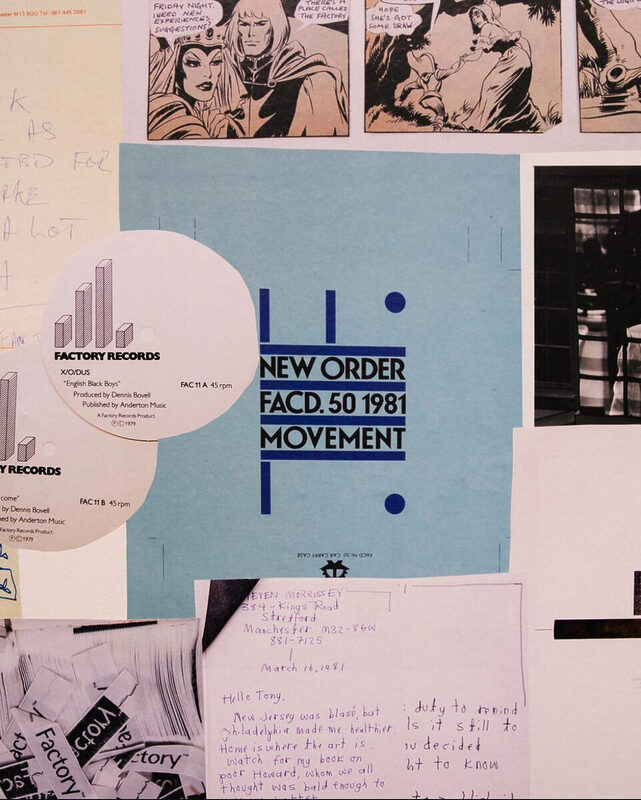
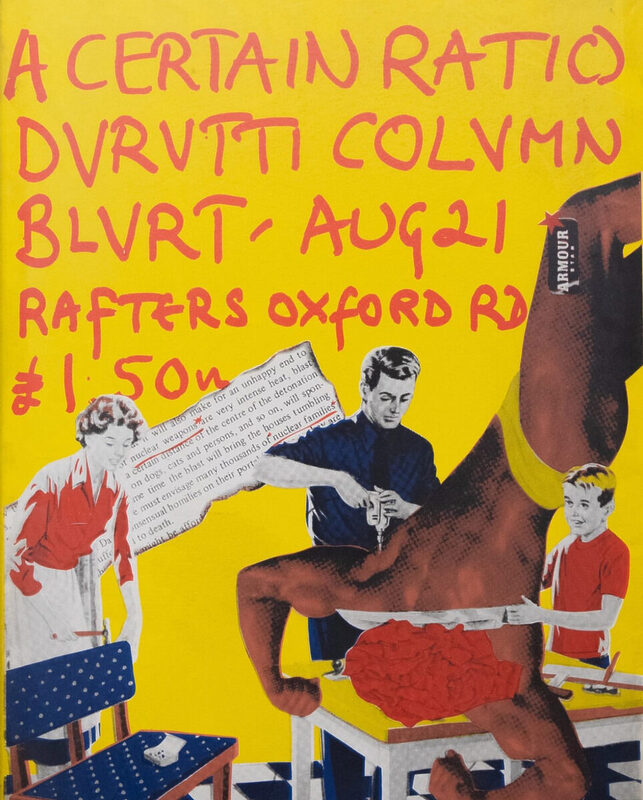
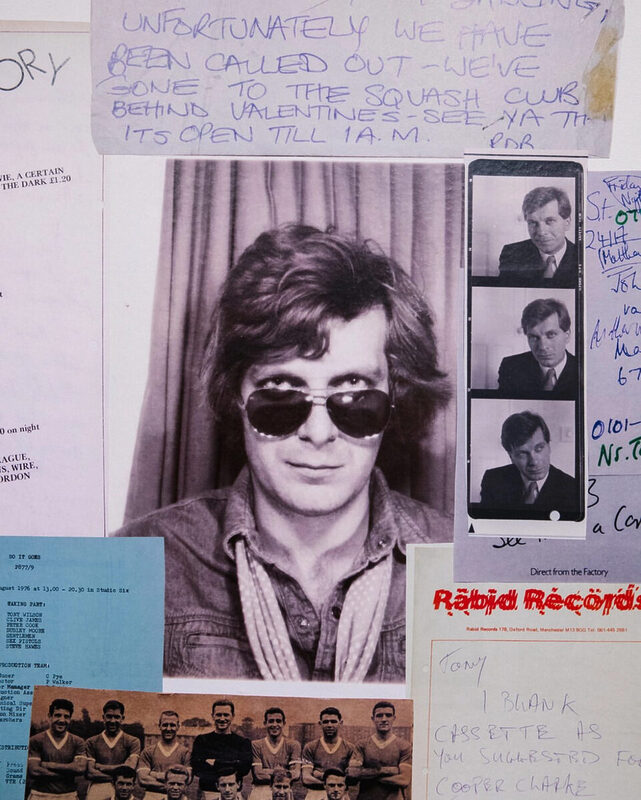
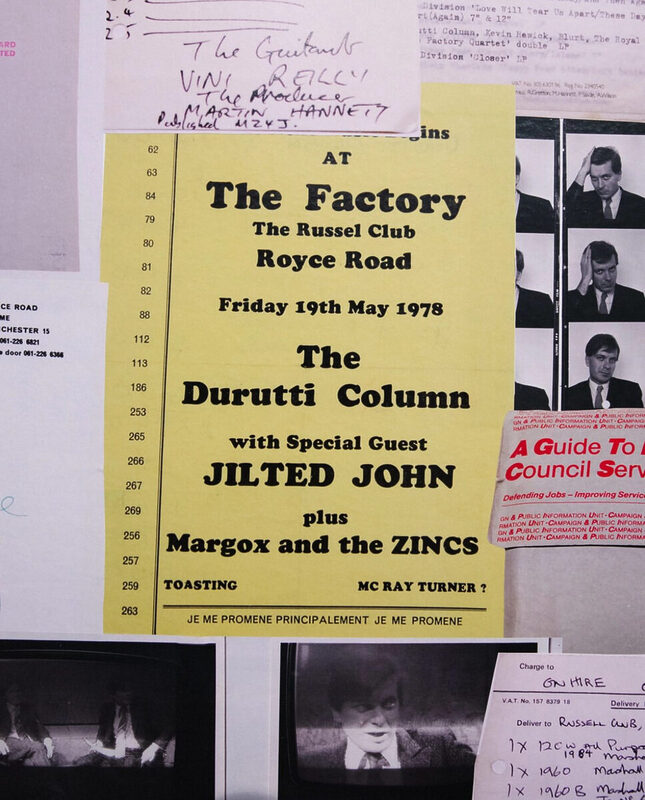
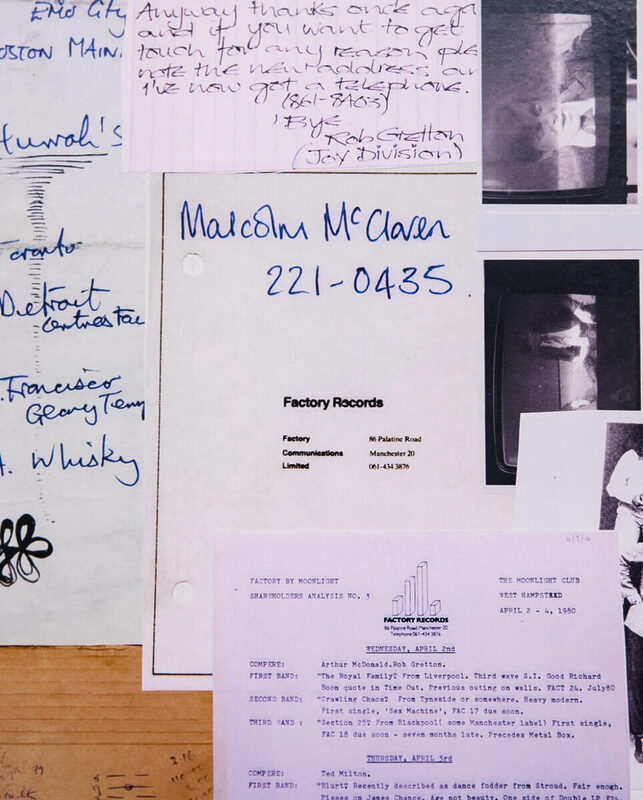
The Tony Wilson Archive at Smolensky Gallery Proves That Manchester “Does Things Differently”
Photography: SEVENSTORE