




MA// BLOG
FA CUP THIRD ROUND WEEKEND: WHY WE LOVE FOOTBALL’S OLDEST COMPETITION
The FA Cup third round always arrives at the perfect moment. The decorations are coming down, January has properly set in, and the football calendar starts to feel a bit grey. League tables are beginning to tell uncomfortable truths. The weather is unforgiving. The novelty of festive fixtures has worn off. And then, just as the season threatens to settle into routine, the Cup shows up and reminds everyone what it’s all about.
For a lot of fans, third round weekend is the highlight of January. For some, especially outside the top flight, it’s the highlight of the entire season. This is the point where football briefly stops being about form, budgets and long-term planning, and becomes about possibility again. About hope. About the idea that for ninety minutes, anything can happen, and it probably will.
It’s easy to call the magic of the cup a cliché, but are all clichés not rooted in truth? The third round is where the stories begin. Non-league and lower-league sides stepping into grounds they’ve only ever seen on Match of the Day. Fans waking up before dawn to get on coaches that smell of bacon rolls and anticipation. Clubs selling out their entire allocation in minutes because this might be the only chance they ever get to see their team playing against a Premier League side.
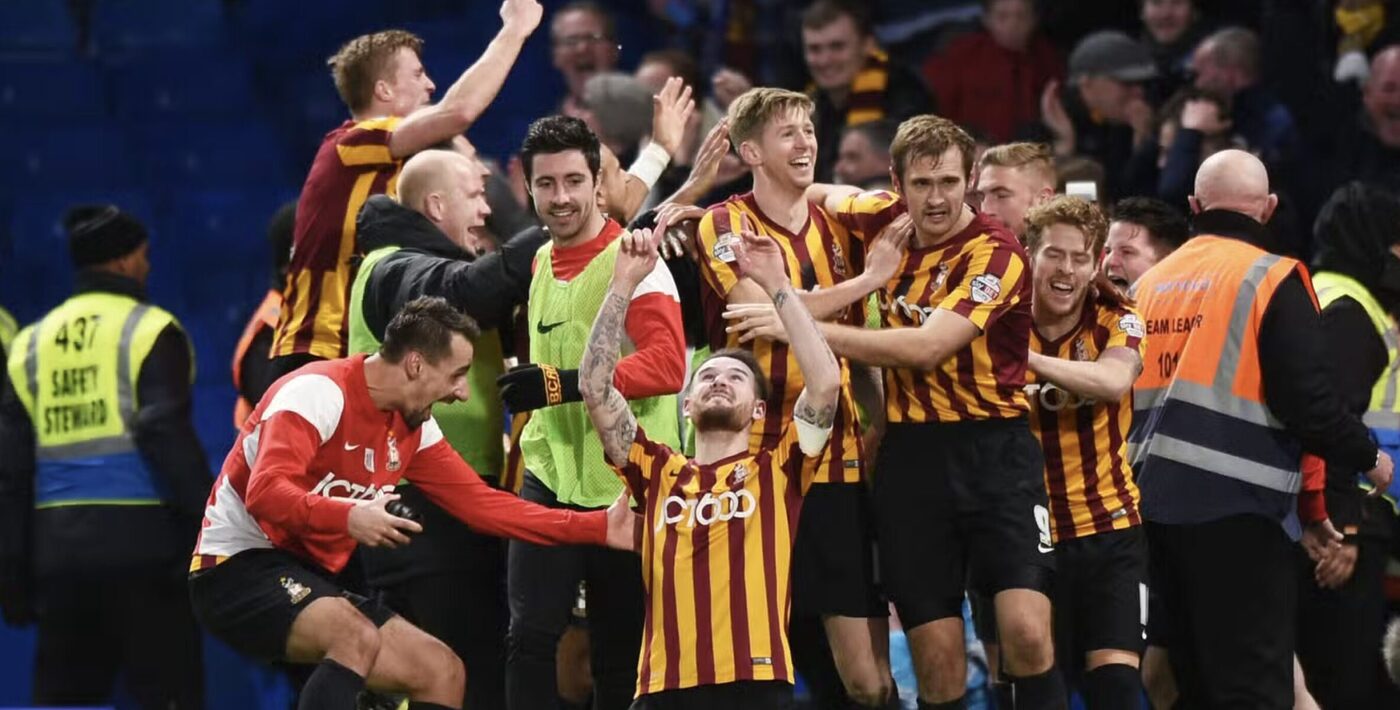
It’s now 11 years since League Two Bradford City beat reigning Premier League champs Chelsea 4-2 at Stamford Bridge in the fourth round. There was Drogba, Mo Salah (yep), Oscar (remember him?) and Jose Mourinho, forced to watch as John Stead bullied the Chelsea defence into submission. Gary Cahill scoring a volleyed back-heel after 20 minutes wasn’t even in the top 10 moments of the game. He put Chelsea 1-0 up, then Ramires made it two, before Stead snatched one back with a 20-yarder that crept in past Petr Cech’s near post. In the second half the Bantams rattled in three more and history was made, the only game Chelsea lost at home all season.
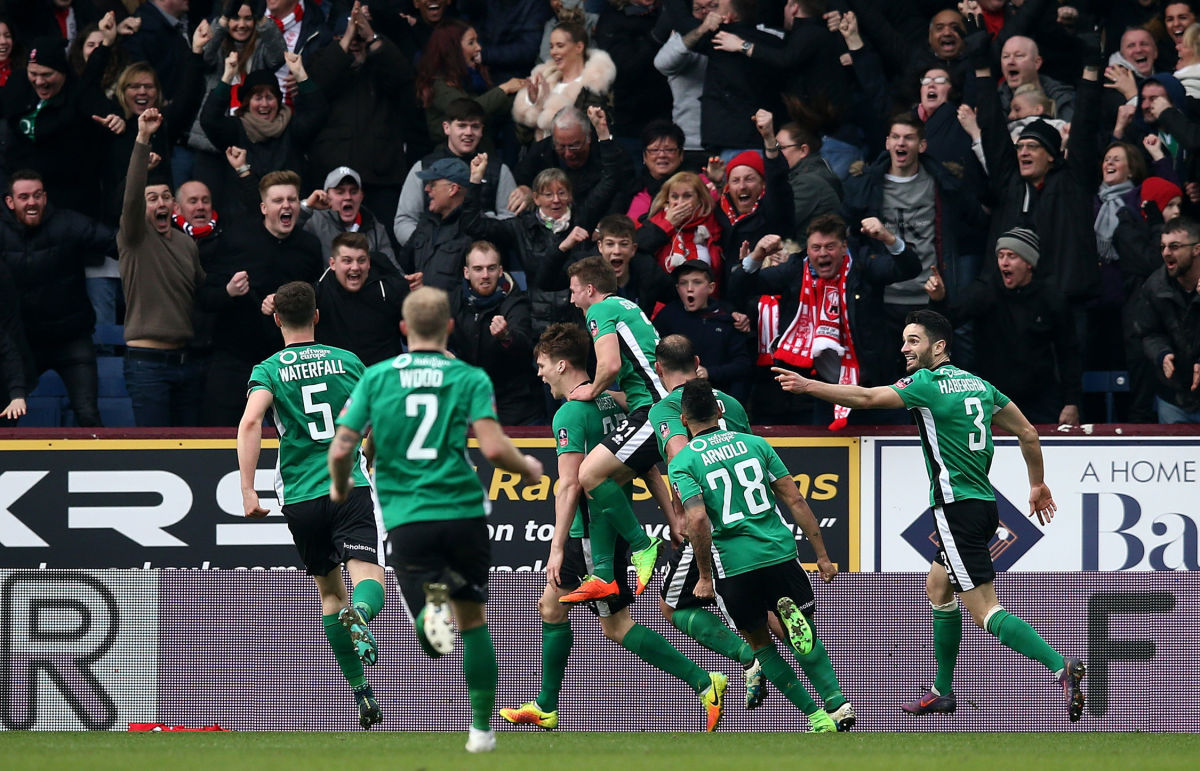
And that’s just one of many. Will Grigg was on fire when Wigan beat Man City 1-0 in 2018, nearly five years after shocking them in the final in the season they were relegated from the Prem. There was Lincoln City’s run to the quarter-finals in 2017 thanks to a non-league defence that refused to blink. In 2017 Sutton United hosted Arsenal at 5,000-capacity Gander Green Lane and briefly convinced themselves (and everyone watching) they could go toe-to-toe with the big boys (even if Arsenal eventually won 2-0). Marine welcomed Tottenham to Rossett Park in 2021 and turned a modest Merseyside ground into a global broadcast location, which was magic despite Spurs’ 5-0 win. These aren’t just football matches. They’re cultural moments.
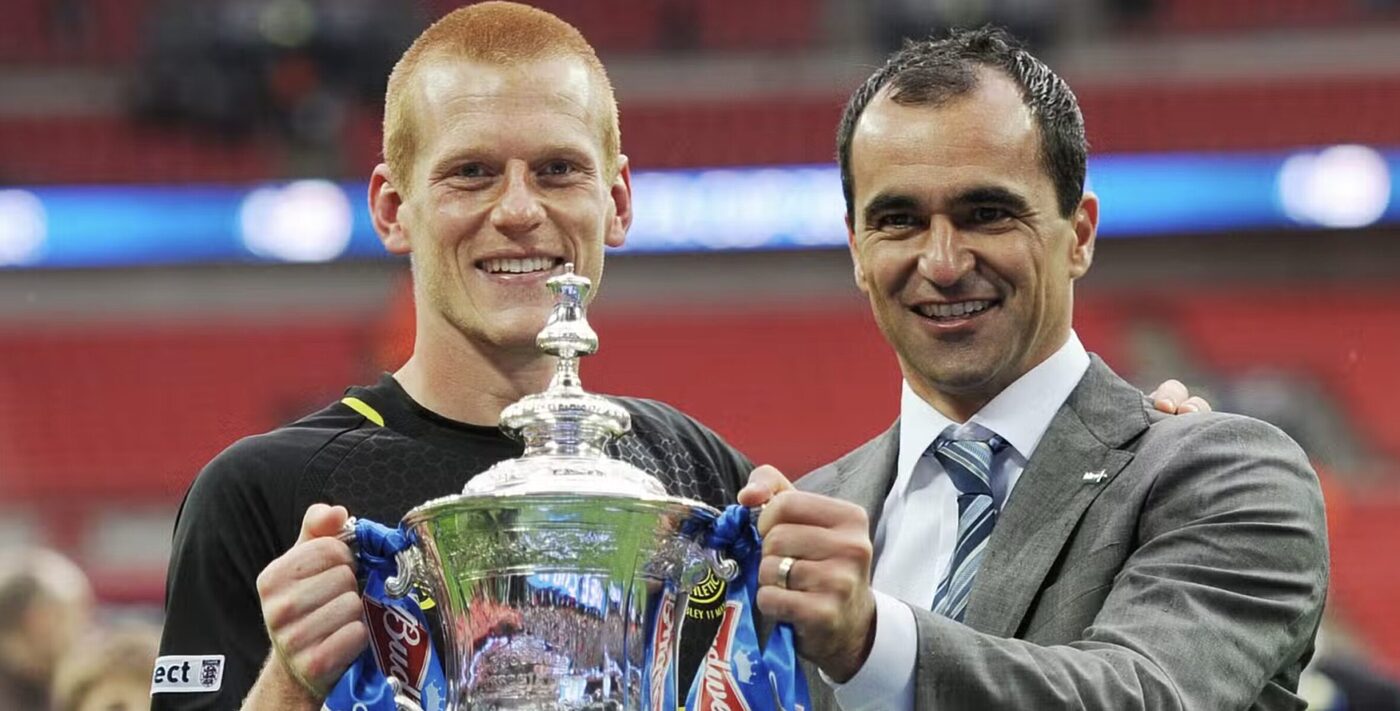
What makes the third round special is that it belongs to everyone. The Premier League clubs turn up because they have to. The lower-league clubs turn up because they’ve earned the right. And for one weekend, the football pyramid collapses into something flatter, fairer, more human. The gap in resources is still there, but the narrative flips. Suddenly the underdog is the story. Suddenly the away end is louder. Suddenly a country of neutrals are cheering for a team they might not even have heard of before.
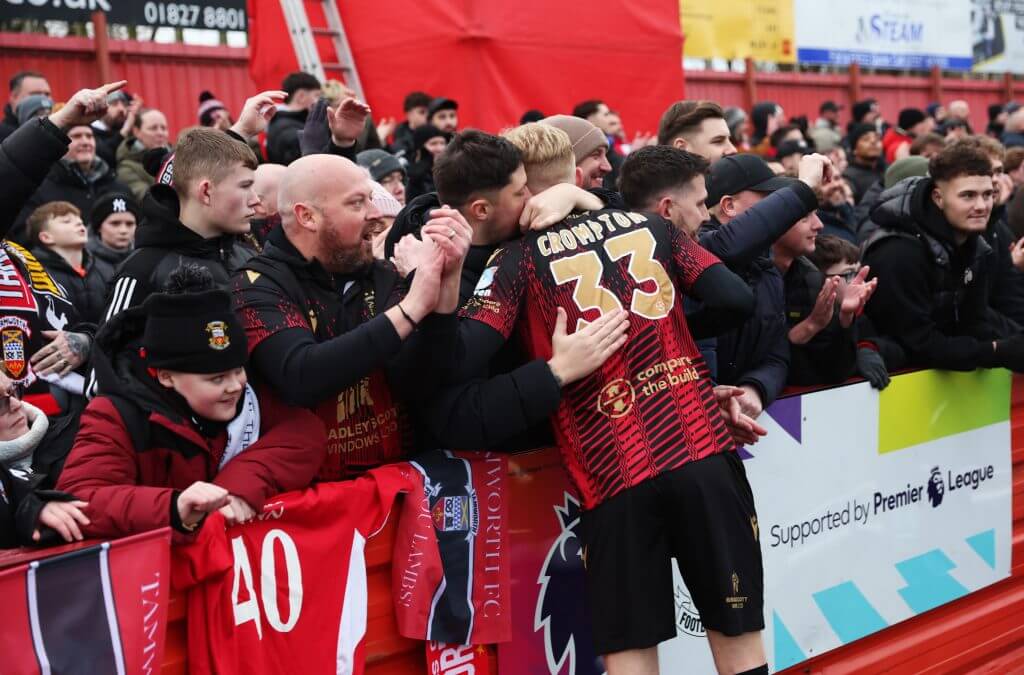
From a terrace perspective, this is the weekend when football culture escapes the algorithm. Non-league fans on BBC One. Homemade banners, blokes in old coats and muddy trainers, two-dimensional FA Cup trophies made from tin foil. The FA Cup third round does something the Premier League rarely manages anymore. It shows football as it actually looks, not as it’s packaged.
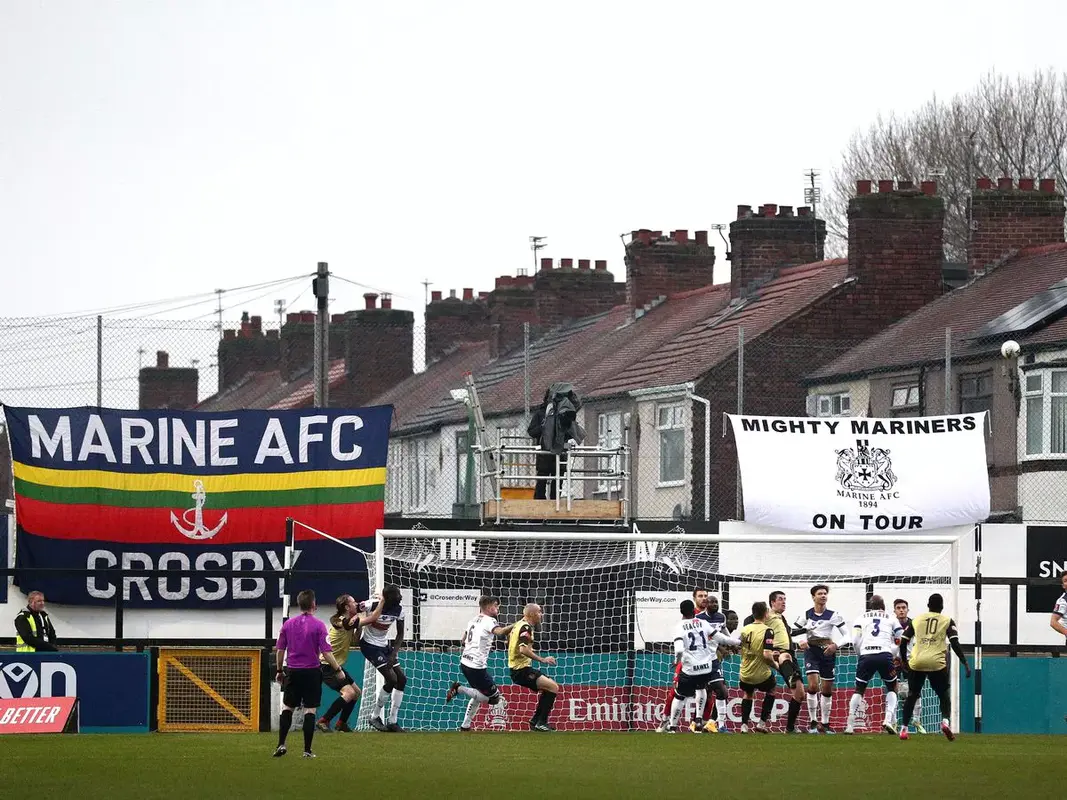
You see it in the stands. Fans who’ve spent the season tucked away in League Two grounds or Isthmian League enclosures suddenly filling historic stadiums. Scarves held higher. Songs sung louder. A sense that this matters more than league position, form or FPL. The outfits are different too. This is proper matchday clobber. Layers. Old jackets. Hats pulled down against the cold. No need to dress for the camera, but somehow ending up on it anyway.
There’s also something beautifully democratic about the whole thing. A mid-table League One side can forget their season’s mediocrity and dream of a giant-killing. A non-league club can pay off debts with one televised tie. A player who’s spent most of his career in obscurity can suddenly find himself man of the match on national telly. For a sport that increasingly feels dominated by money and power, the Cup offers a brief correction.
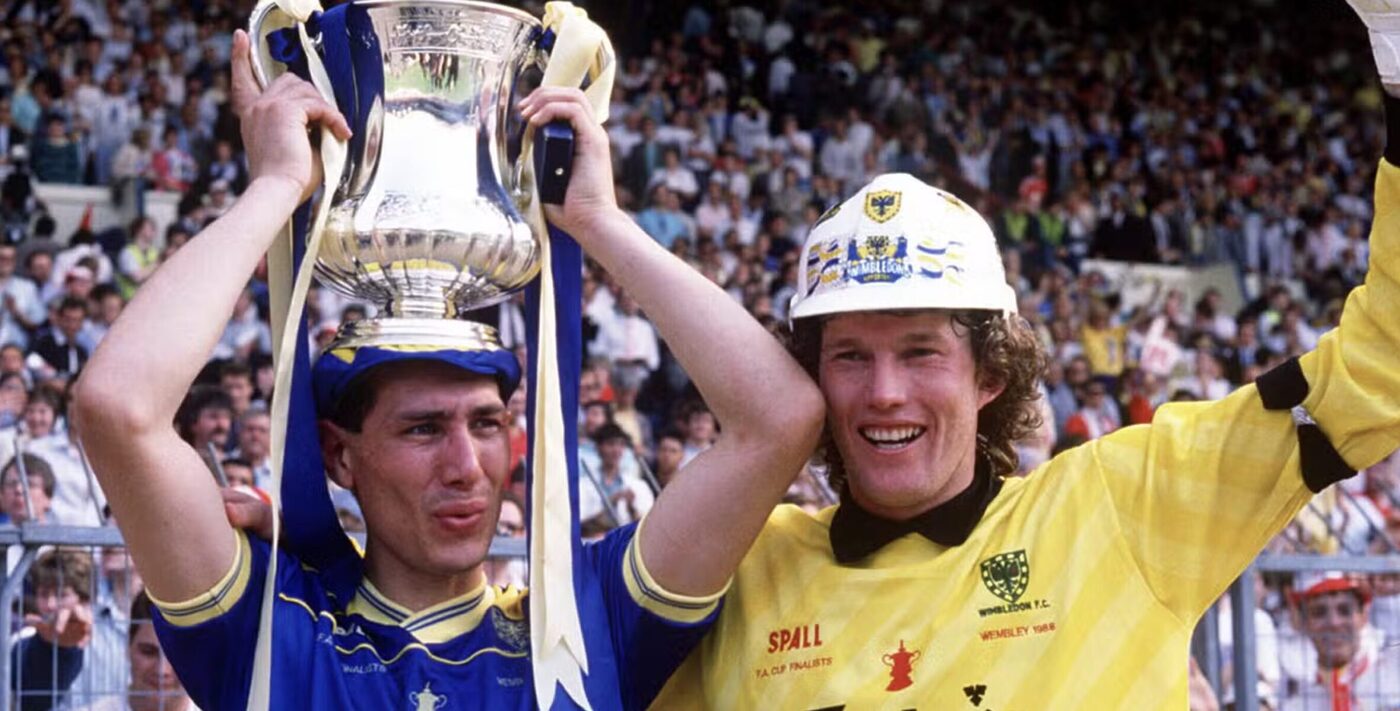
The third round also changes how fans behave. People who usually obsess over results suddenly allow themselves to enjoy the day. There’s more laughter, more goodwill, more shared experience. Away days feel like pilgrimages rather than chores. Even defeats can feel honourable. Losing 2-1 at a Premier League ground after giving it a proper go is something you remember fondly. It becomes part of the club’s story.
And when the shock does happen, when the big club falls, the reaction is collective. Neutrals celebrate as if it were their own team. Social media fills with clips of limbs in away ends. Commentators reach for phrases they’ve used a hundred times before, but somehow they still land. The magic isn’t manufactured. It’s earned.
In an era where football often feels overproduced, the FA Cup third round is refreshingly imperfect. Pitches are heavy. Line-ups are unpredictable. Managers talk about “respecting the competition” while resting half their first team. Fans talk about belief, even when they know the odds. It’s football at its most honest.
Most importantly, it gives space to the kind of supporters who make the game what it is. The ones who travel regardless of league position. The ones who know the words to every chant. The ones who’ve followed their club through relegations, financial scares and empty seasons, and still turn up. For one weekend in January, they’re not in the background. They’re centre stage.
That’s why the FA Cup third round matters. Not because it guarantees drama, but because it guarantees relevance. It reconnects the elite with the rest. It puts terrace culture back on the screen. It reminds everyone that football is still, at heart, about people turning up in hope.
And every year, just when winter starts to feel endless, that’s exactly what the game needs.