



MA// BLOG
WHY TRAINERS MATTER MORE THAN EVER ON THE TERRACES
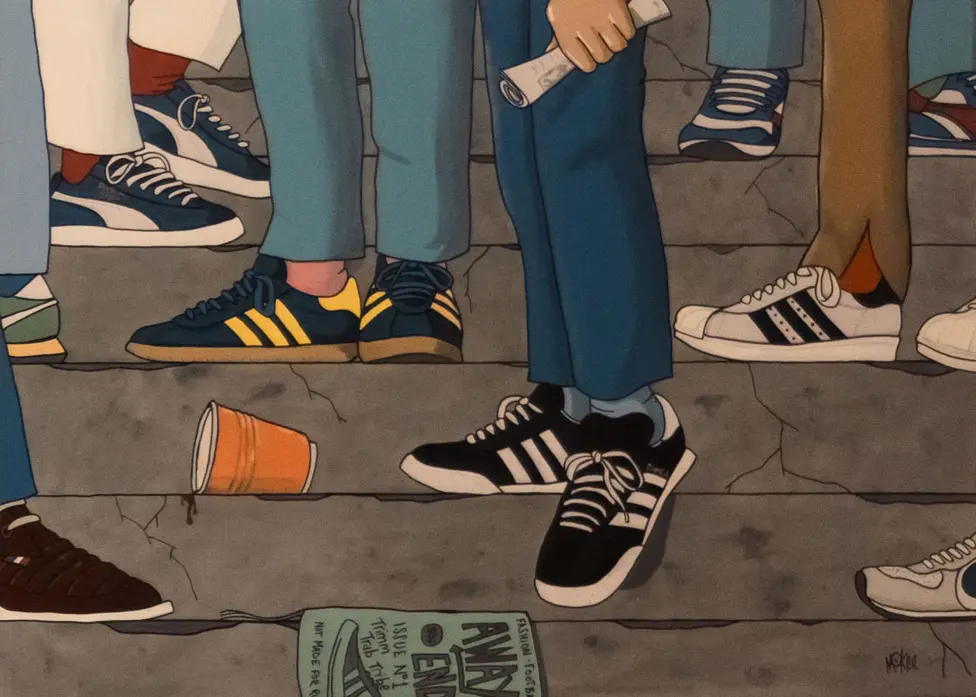
The Adidas Achille SPZL and the Adidas Marathon SPZL, designed in collaboration with Liam and Noel Gallagher (respectively) are here. Cue the inflated prices and obsessives in camping chairs outside the superstore the night before launch. We might still call them trainers, but thanks to America “sneaker culture” has officially arrived in the UK, and it’s now pretty commonplace on the terraces of our football grounds.
Trainers say as much about a fan as their club colours. Before anyone talked about “drops” or “collabs,” the football casuals of the late seventies and eighties were already turning footwear into identity. Adidas was king then, and it still is now. Samba, Gazelle, Spezial: these are shoes that have outlasted your favourite players, your club’s shirt sponsor, and more than a few managers. There’s something about the stripes that never goes out of style, maybe because they stand for a time when terrace fashion wasn’t about hype but about belonging.
When Adidas reissues a shoe, or teams up with someone like the Gallaghers, it doesn’t just sell a product. It sells a feeling. The Oasis SPZLs (let’s just call it what it is), with its suede upper and understated silhouette, could’ve walked straight out of a 1994 photo of the Kippax Stand. It’s nostalgia you can lace up. And for the lads who queue overnight, it’s more than just about having them first. It’s about being part of something: a lineage of taste, identity and quiet competitiveness that still drives terrace fashion today.
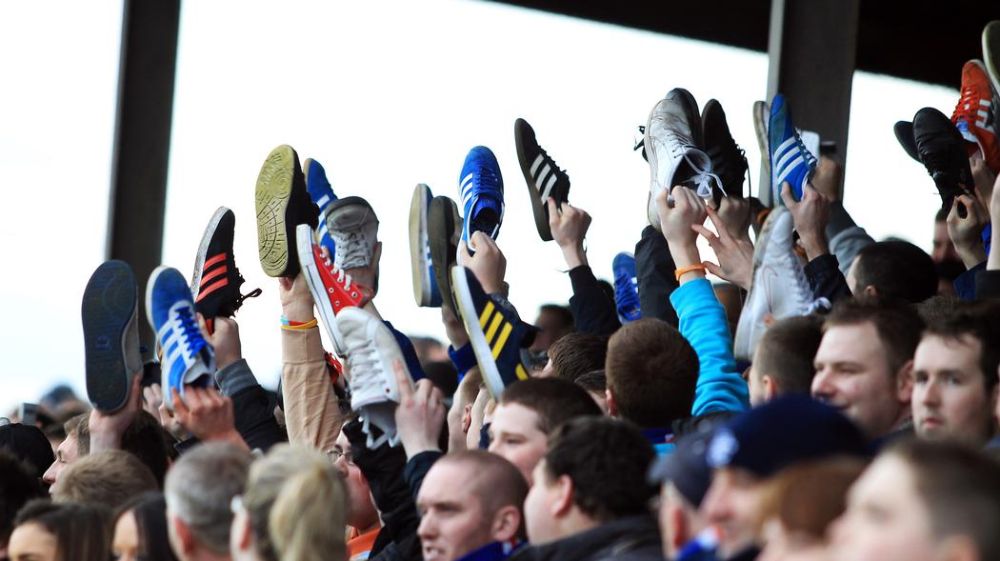
But while Adidas remains the dominant force, the terraces are shifting. Nike’s Air Max has been sneaking in for a while now, especially among younger fans. You see them on the walk up to the ground, bubble soles glinting under the floodlights, paired with tracksuits and puffers. It’s a different aesthetic — flashier, more streetwear-driven — but it fits the same purpose. The Air Max lineage, from the 90 to the 95 and beyond, has a swagger that works just as well in the stands as it does in the city centre afterwards. For the generation that grew up on grime, drill and Instagram fit pics, Nike’s futuristic edge feels right.
New Balance has also made an unexpected comeback. Once written off as “dad shoes,” they’ve become quietly fashionable again, making Liverpool’s kits for a full five years and appearing on the trotters of fans up and down the country on a regular basis. The 550s and 990s have found a home on the terraces and in pubs after full time, offering a chunkier, more relaxed look that appeals to fans who want something classic without going full retro. They fit that in-between space: casual enough for the match, but smart enough for All Bar One after full time. And because they don’t have the same historical baggage as Adidas or Nike in British football, wearing them feels slightly less, you know, bait.
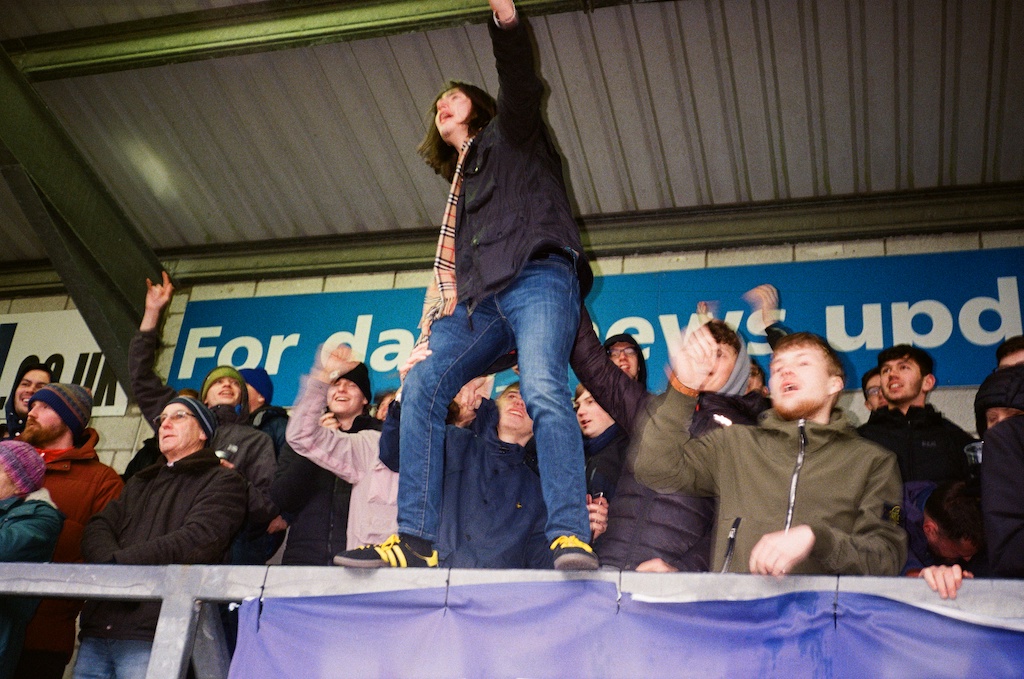
Still, the unwritten rule of the terraces remains: you dress for where you’re going after the match. It’s why so many lads have started wearing creps that might once have been considered too nice for a football game. Brands like Represent, Axel Arigato and Cleens are now part of some matchday wardrobes. They signal a modern kind of casual, suggesting luxury without shouting about it, quality without pretension. Clean lines, premium materials, no gimmicks. The sort of trainers you can wear from the pub to a night out without looking like you’ve been anywhere near a turnstile.
That evolution says a lot about where football fashion is heading. The original terrace look was all about practicality. You needed shoes you could leg it in, whether from the police, the opposing fans, or the rain-soaked car park. Now, match day has become more of an event. Fans don’t just go to the game; they document it. They think about the fit. They’re representing their club and their own sense of style. And while there’s still a respect for heritage — the Adidas DNA, the 80s silhouettes — there’s a new attention to detail that nods toward the fashion world more than ever before.
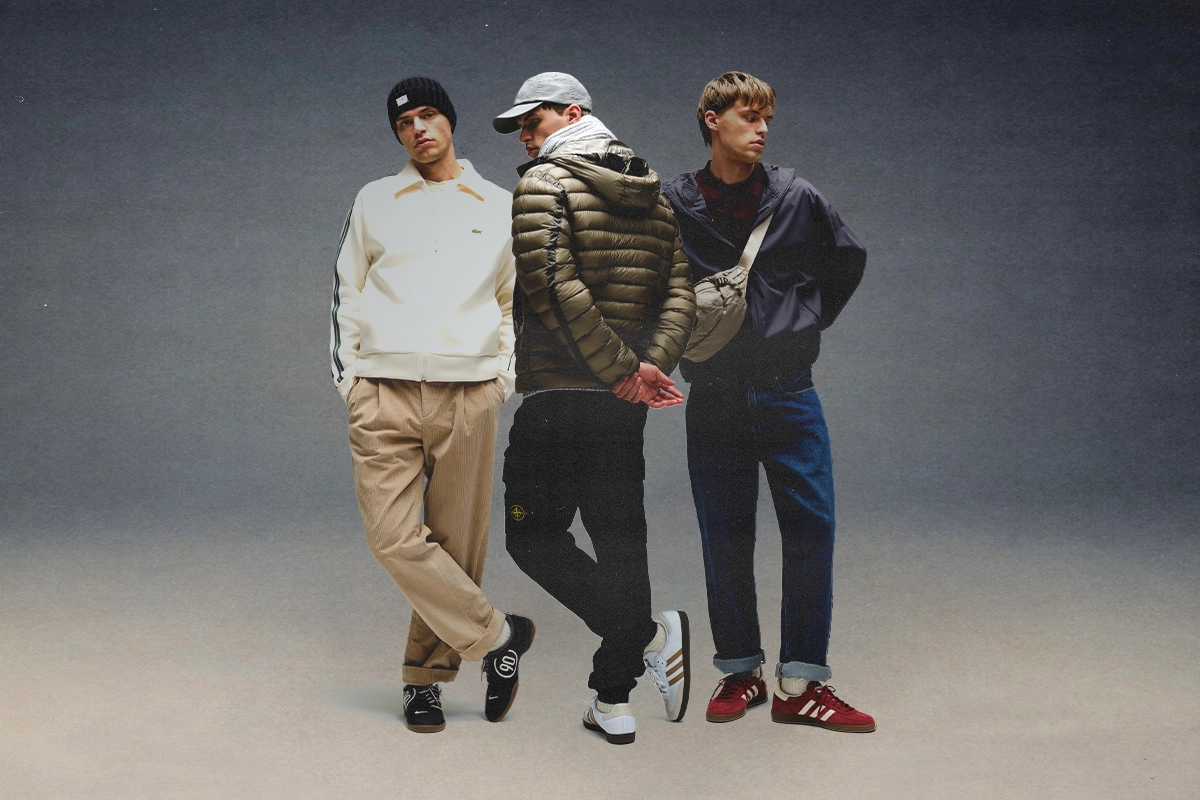
It’s funny to think how far it’s come. There was a time when the most fashion-conscious lads on the terraces wore smart black shoes with their jeans. It looked sharp in a certain light, especially in the days of tight fades and flat caps. But it also feels like something from another planet now. The charm is still there in old photos, but it’s safe to say it should stay there too. Trainers have taken over completely, and few are complaining.
The modern terrace look has also blurred the line between football fan and fashion consumer. When Adidas drops a Spezial, it’s not just diehard supporters who care. Collectors, stylists and sneakerheads join the queue. Football culture has become fashion culture, and vice versa. You can see it in collaborations like Arsenal’s recent partnership with NTS. What started with a few lads nicking ideas from Italian sportswear shops has turned into a full-fledged aesthetic movement, still rooted in working-class taste but sharper, smarter and more self-aware.