


MA// BLOG
EUROPE’S FIERCEST FOOTBALL RIVALRIES: FROM THE TYNE & WEAR DERBY TO THE CONTINENT’S HIDDEN CLASSICS
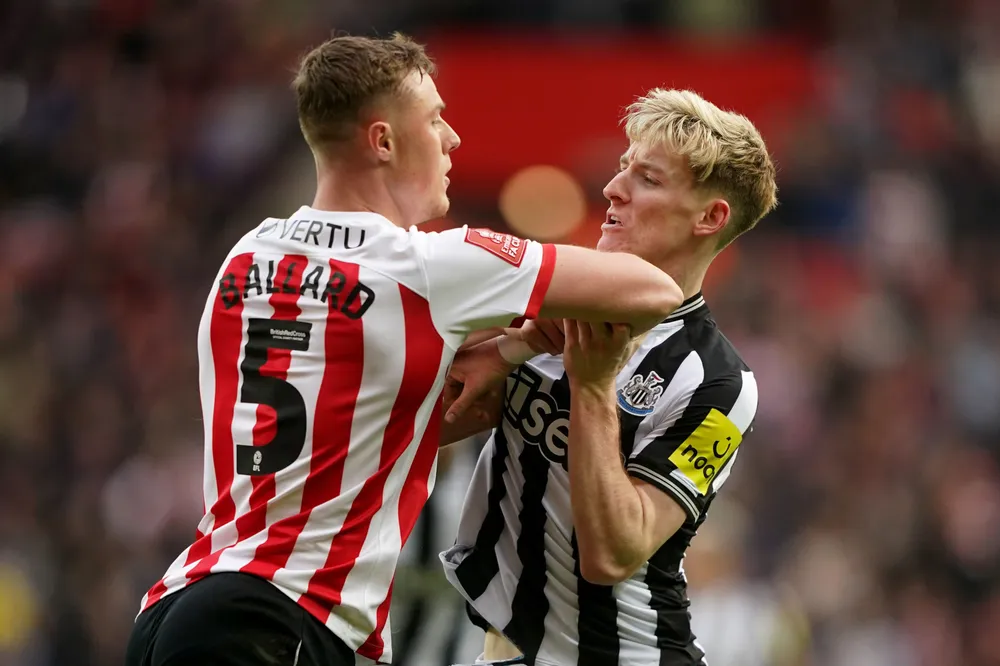
For the first time since 2016, Newcastle and Sunderland are about to do battle in the Premier League. The Tyne-Wear derby has been absent from the top flight for nearly a decade, leaving a gaping hole in the English football calendar. These games used to be full-scale civic occasions, civic wars even, fought on and off the pitch with intensity that had nothing to do with league position or form (in fact, the last time they met, both these teams were crap). The sight of black-and-white and red-and-white shirts clashing was as much about identity as it was about points. Now it’s back (and both teams are broadly in the ascendancy, departed Swedish strikers notwithstanding), and it feels like the right moment to take a look at some of the other great derbies across Europe, including a few that might be beneath your radar.
Everyone knows the super-heavyweights. The Old Firm in Glasgow is perhaps the most combustible of them all, where Celtic and Rangers carry more than a century of sporting, religious, and political rivalry into every kick. The Derby della Madonnina (Milan derby) remains one of the game’s most elegant grudge matches, two global powerhouses sharing not just a city but a stadium, with shirts that belong as much to the catwalk as the Curva Sud and animosity that often results in fireworks. Spain has El Clásico, which is arguably less a derby and more a clash of two global brands, but still carries real cultural weight: Barcelona’s Catalan identity facing Madrid’s status as the capital’s club.
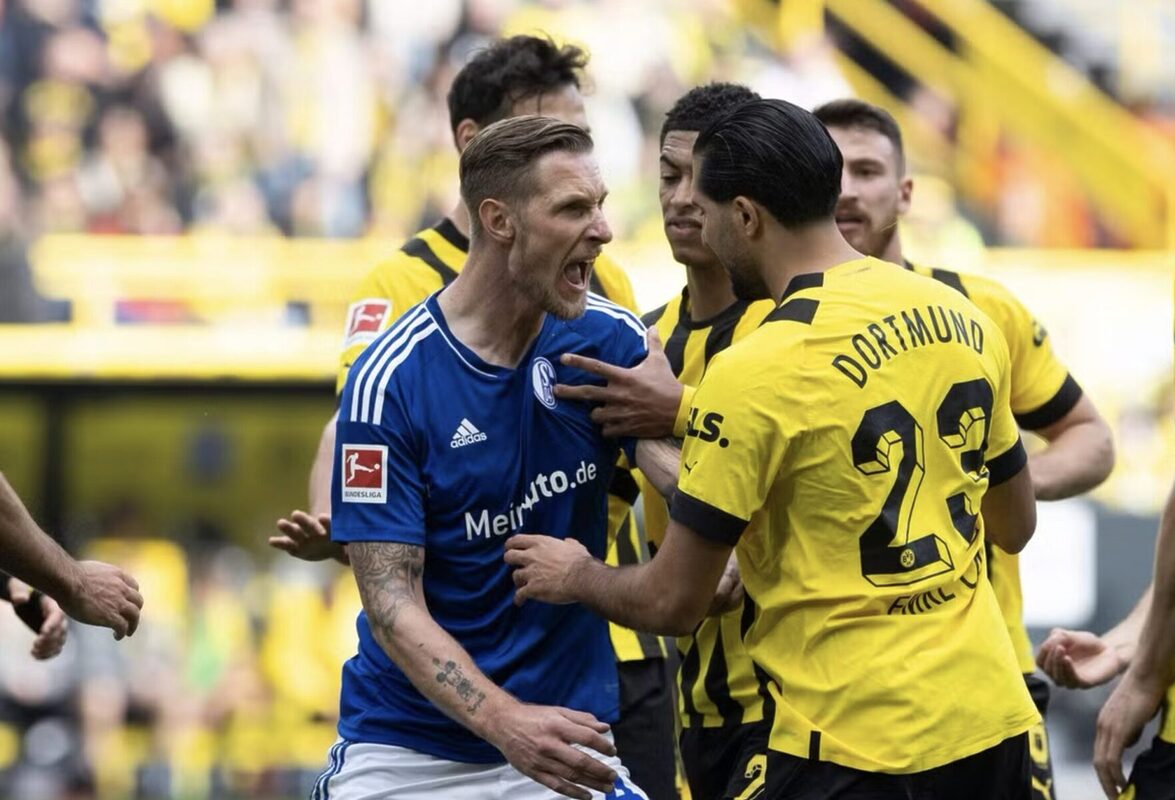
But beyond those marquee occasions, the landscape of European football is dotted with derbies that carry just as much local meaning, if not quite the same international spotlight. Take the Revierderby in Germany, for instance. Schalke 04 vs Borussia Dortmund is more than just Ruhr Valley neighbours locking horns. It’s industrial pride, working-class grit and decades of bad blood, all compressed into 90 frantic minutes. Even in seasons when one side is far superior, the derby always has a habit of levelling things out, as shown by recent iterations of the fixture despite Schalke’s struggles in recent years.
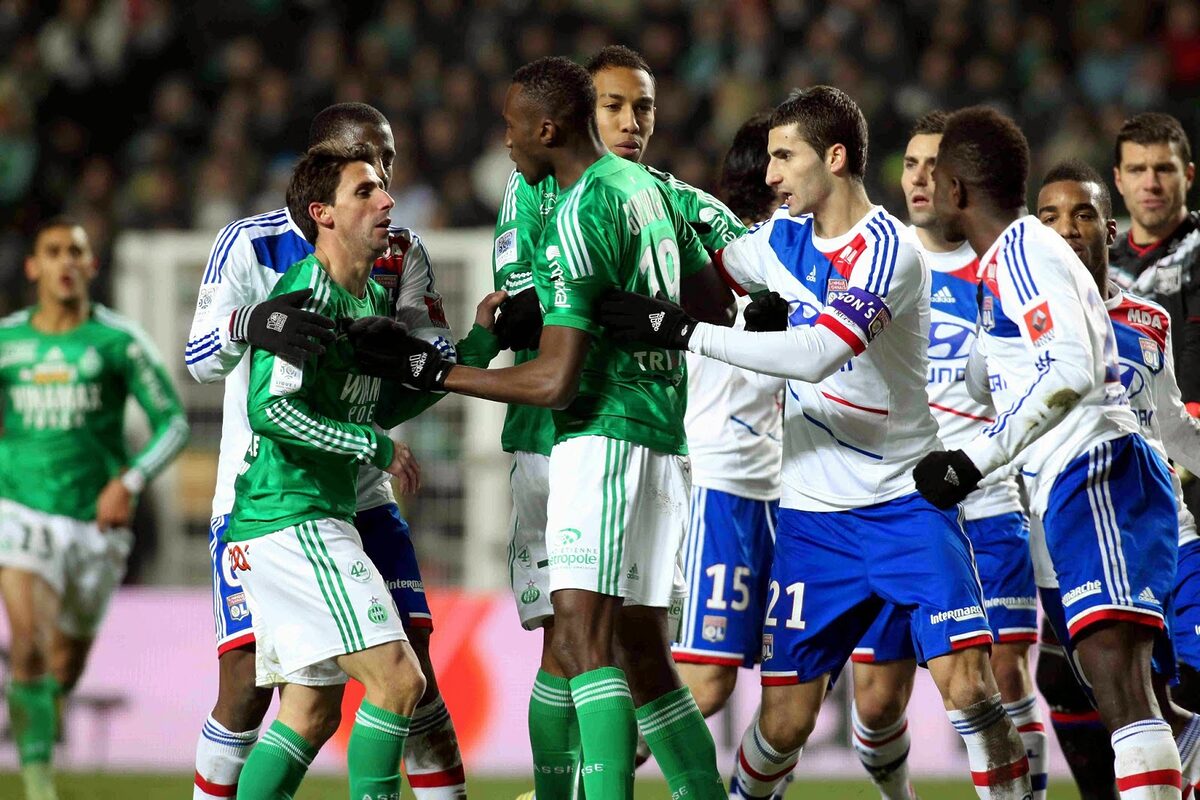
In France, the Derby du Rhône between Lyon and Saint-Étienne doesn’t get the same airtime as PSG vs Marseille, but it’s at least as fierce. Saint-Étienne might be a sleeping giant these days, but their fans remain some of the most passionate in Europe, and for them, getting one over on the slicker, richer neighbours from Lyon means everything.
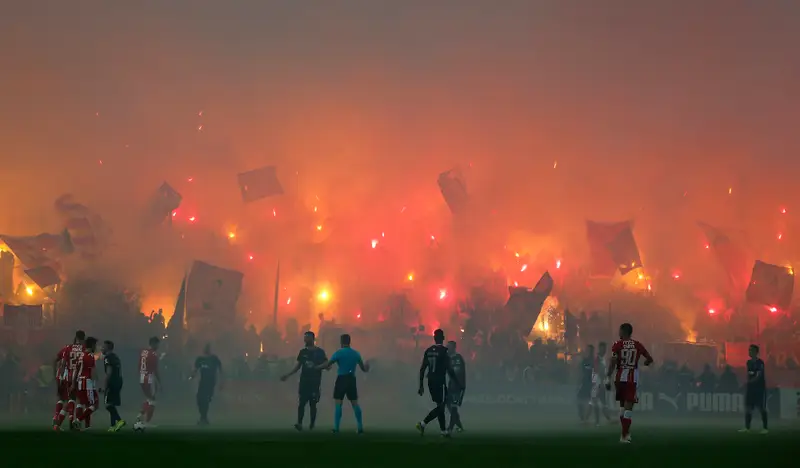
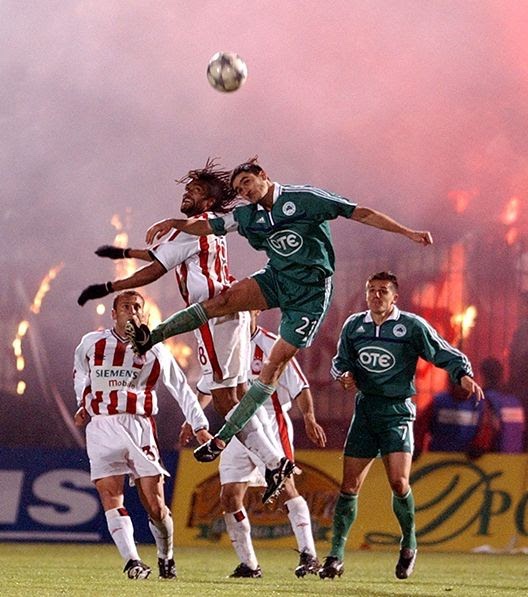
Head further east and the derbies take on even sharper edges. The Eternal Derby in Belgrade — Red Star vs Partizan — is arguably the most explosive football match in Europe. Flares, tifo displays, deafening noise and an atmosphere that teeters on the edge of chaos: it’s a spectacle that makes even seasoned fans feel a shiver. Matches have been abandoned, delayed and scarred by violence over the decades, but the passion remains undiluted. In Greece, Olympiacos vs Panathinaikos — the “Derby of the Eternal Enemies” — carries a similar reputation. Athens comes to a standstill, the air fills with smoke, and the football itself often struggles to keep pace with the intensity in the stands.
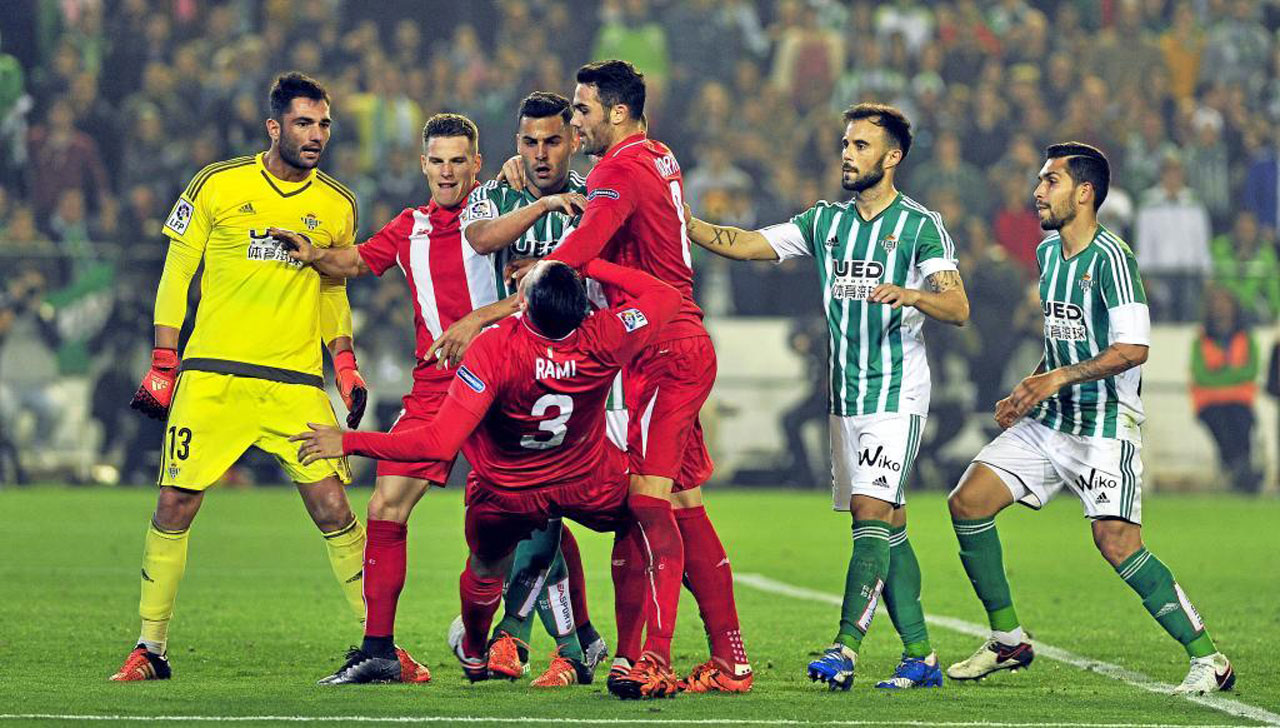
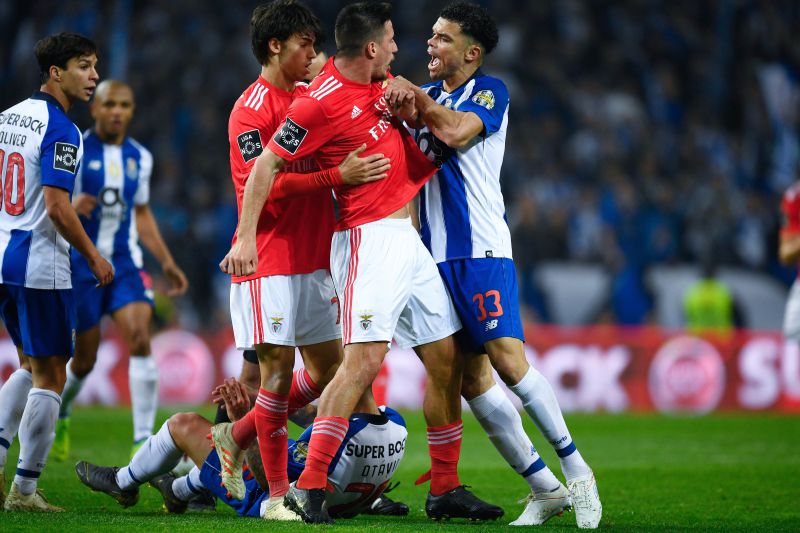
Not every great derby is defined by fireworks and police cordons. Some thrive on humour, tradition, or quirks of geography. Spain’s Seville derby between Real Betis and Sevilla is a carnival of colour, noise and civic pride. It’s fiery, yes, but also joyful, an expression of Andalusian identity in football form. Down in Portugal, Porto vs Benfica might be the country’s defining clash, but there’s also a charming, rough-around-the-edges rivalry between Boavista and Porto that reflects two very different sides of the same city: one a global powerhouse, the other defiantly local.
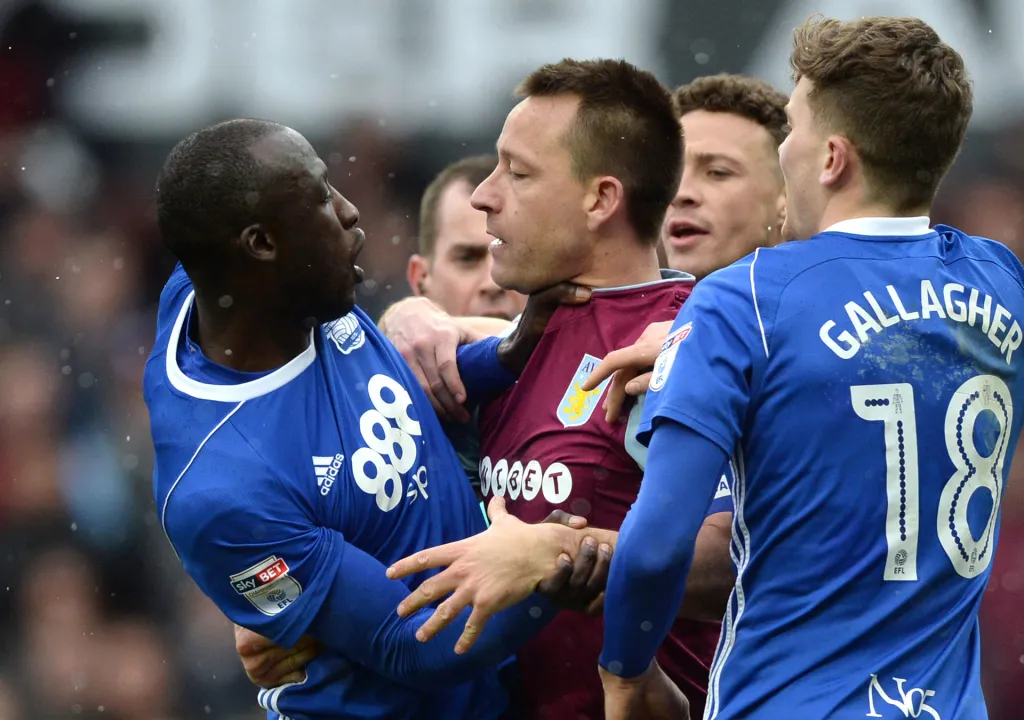
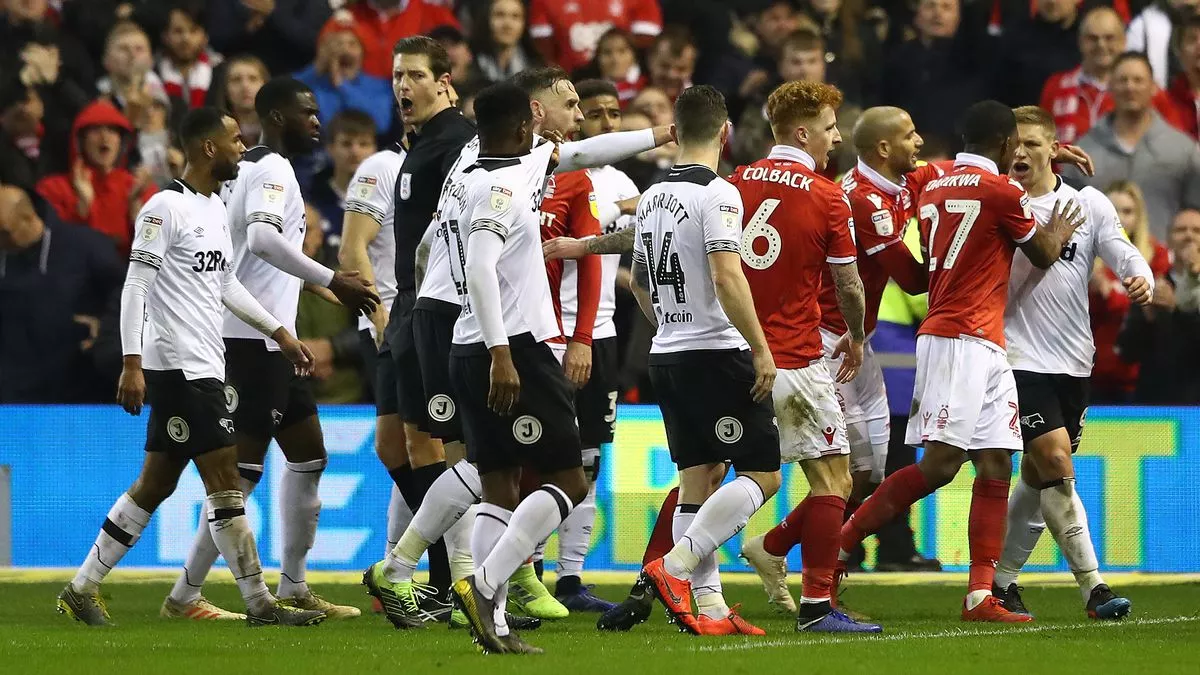
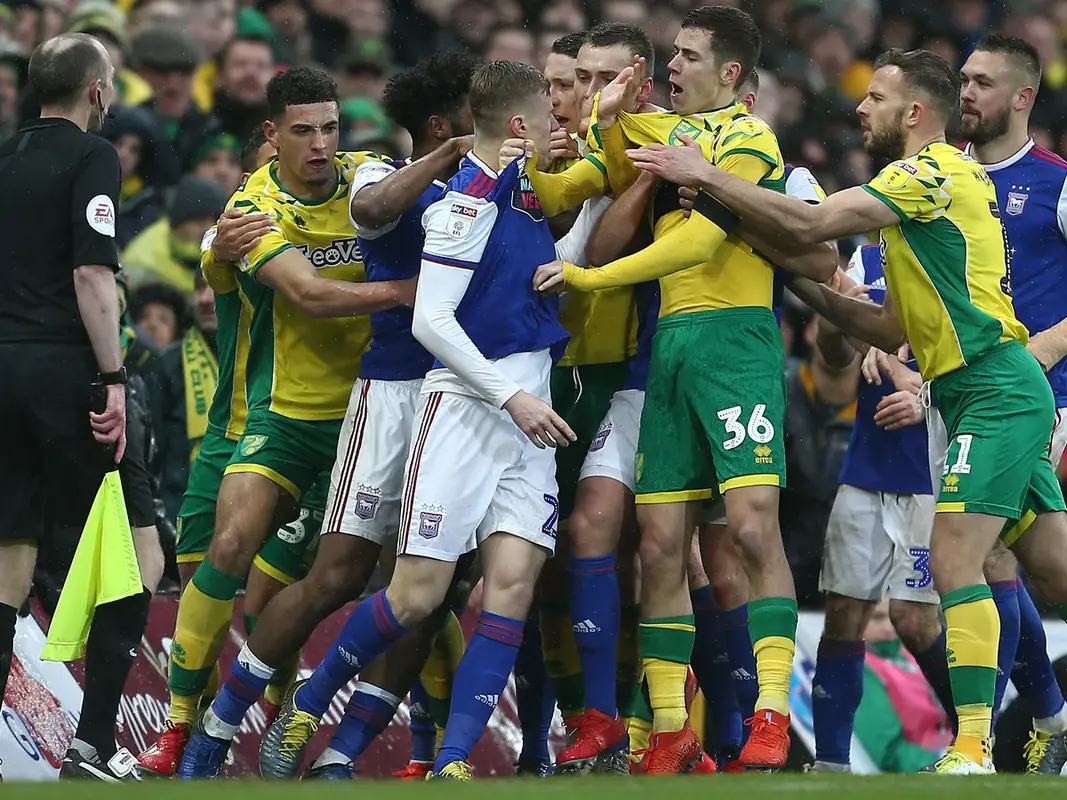
In England, the East Midlands derby (Derby County vs Nottingham Forest) has long been fuelled by Brian Clough’s ghost, while the Second City derby (Aston Villa vs Birmingham City) brings a raw hostility that still surprises neutrals. Bristol City vs Bristol Rovers doesn’t get the national spotlight, but locally it’s a war. And then there’s the East Anglian derby, where Ipswich and Norwich fight over tractor bragging rights, producing some seriously heated clashes.
What unites all of these games, from Belgrade to Birmingham, is that they’re not just matches but cultural events. They shape the rhythm of a city’s week, dictate moods at workplaces and schools, and act as annual or biannual markers of local pride. Lose one and it stings for months. Win one and the glow can carry you through an otherwise dreadful season. For clubs who aren’t in the running for trophies every year, these derbies are sometimes the biggest thing they’ll experience all year.
Which is why the return of Tyne-Wear matters so much. Newcastle have been transformed in recent years into a Champions League team, with all the glamour and scrutiny that brings. Sunderland, by contrast, have been clawing their way back after years in the wilderness, enduring League One slog and financial headaches before finally returning to the Premier League. On paper, it looks like a mismatch. In practice, derby day doesn’t care. It’s about blood and thunder, pride and payback, and those afternoons when form books combust on the touchline.