


MA// BLOG
BACK TO THE BEAT: HOW RAVE CULTURE IS MARCHING BACK ONTO THE TERRACES
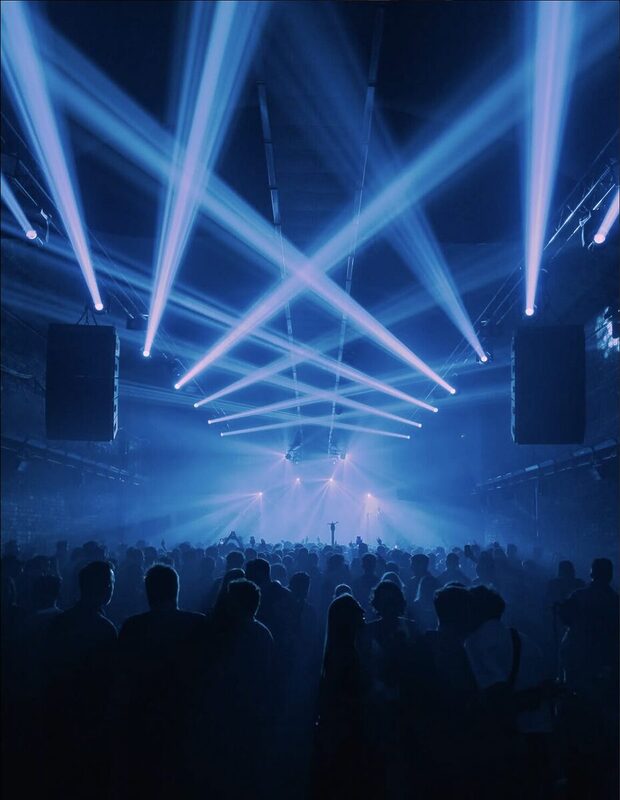
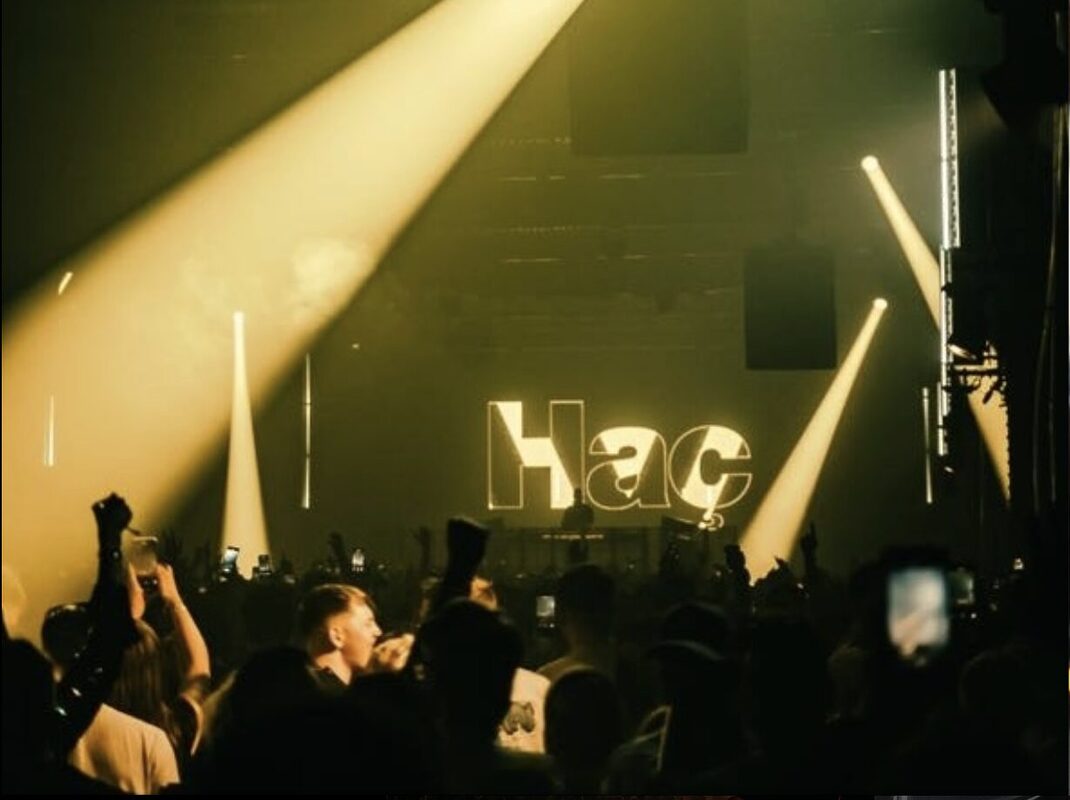
The nights are drawing in, we’re two international breaks down, and the basslines are rumbling beneath Manchester once again. The Warehouse Project has returned, a staple of the city’s nightlife calendar and arguably the closest thing Britain has to a national clubbing institution. This year’s line-up reads like a who’s who of modern rave culture: Sammy Virji, Sherelle, Overmono and Nia Archives all feature across the season, alongside mainstays like Jamie Jones and a resurgent Pendulum. But it’s not just the artists making noise. Many nights this year have introduced “no phones” policies, a deliberate push to pull ravers back into the moment, stripping away the compulsion to record and share everything. The idea is to make nights out about shared experience again, not social media content.
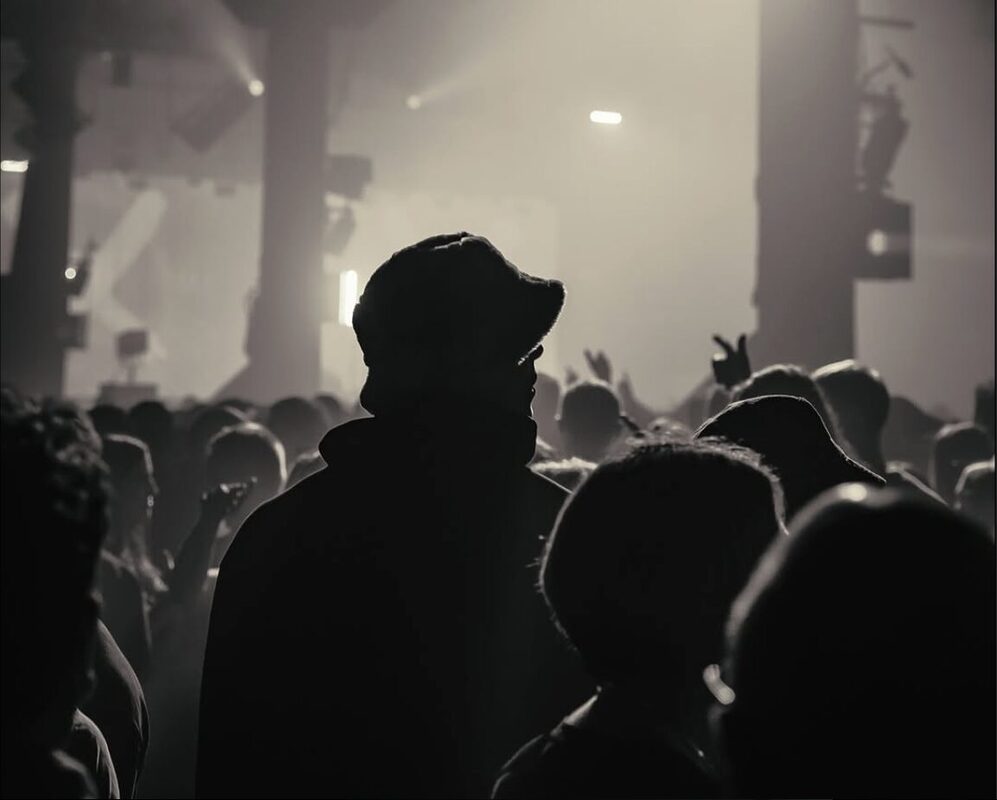
It’s funny how that idea, of pure presence and connection, has started to seep into football culture too. Terraces across the country are rediscovering something that once came naturally: a sense of belonging, spontaneity and collective euphoria. And perhaps it’s no coincidence that the revival of rave aesthetics — bucket hats, baggy trackies, retro football shirts — is happening alongside a renewed affection for matchday togetherness. The two cultures, football and rave, have long been intertwined. What’s happening now feels less like a reunion and more like a remix.
Back in the late 1980s and early 1990s, the links between the terraces and the dancefloor were direct and explosive. Both were born out of the same working-class energy and frustration. Football fans and ravers were two sides of the same coin, united by ritual, tribalism and the release of a Saturday afternoon or night out. The police often treated both groups with equal suspicion. “Acid house” and “football casuals” were buzzwords in the tabloids for public disorder and moral decline. But then something changed.
Legend has it that the early rave scene softened the edge of football’s most aggressive subculture. Hooligans who had spent the 1980s fighting on train platforms and high streets found themselves in fields or warehouses up and down the country, high on ecstasy, hugging the same lads they might have clashed with weeks earlier. The drugs, the music and the collective euphoria reshaped the tribalism of the terraces into something more communal. As the Haçienda pulsed through the heart of Manchester and acid house swept the UK, the nation’s football identity loosened up.
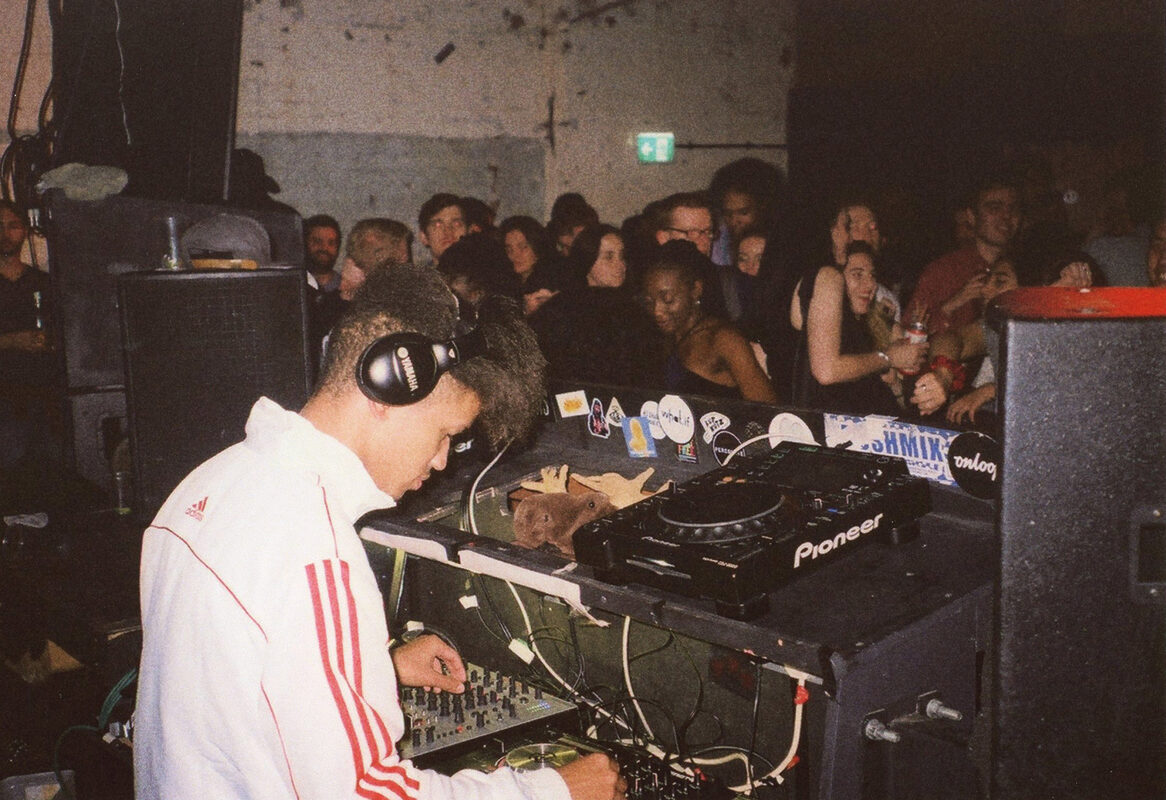
Fast forward thirty-odd years and those energies are meeting again in a different form. Rave culture never really went away; it just went indoors, into the clubs that became the new cathedrals of youth culture. But with the closure of so many grassroots venues in recent years — Corsica Studios and G-A-Y in London, Queer Junction in Sheffield, KIKI, VOID and Tribeca in Manchester, Proud Bar in Somerset, and Birmingham’s Chic — something vital has been lost. Nightclubs, like lower-league football clubs, are pillars of local identity and gathering. Their decline leaves the same hole: a loss of community, a fading of shared ritual.
That’s partly why the crossover between terrace and rave aesthetics has come roaring back. Football shirts are now a common sight at dance nights, not worn with irony but affection. There’s a generational nostalgia at play, but also a deeper instinct: to reassert identity through the everyday uniform of belonging. A 1996 Fiorentina shirt at a techno night or a vintage Umbro England top in a mosh pit isn’t a fashion statement so much as a reminder of who we are and where we come from.
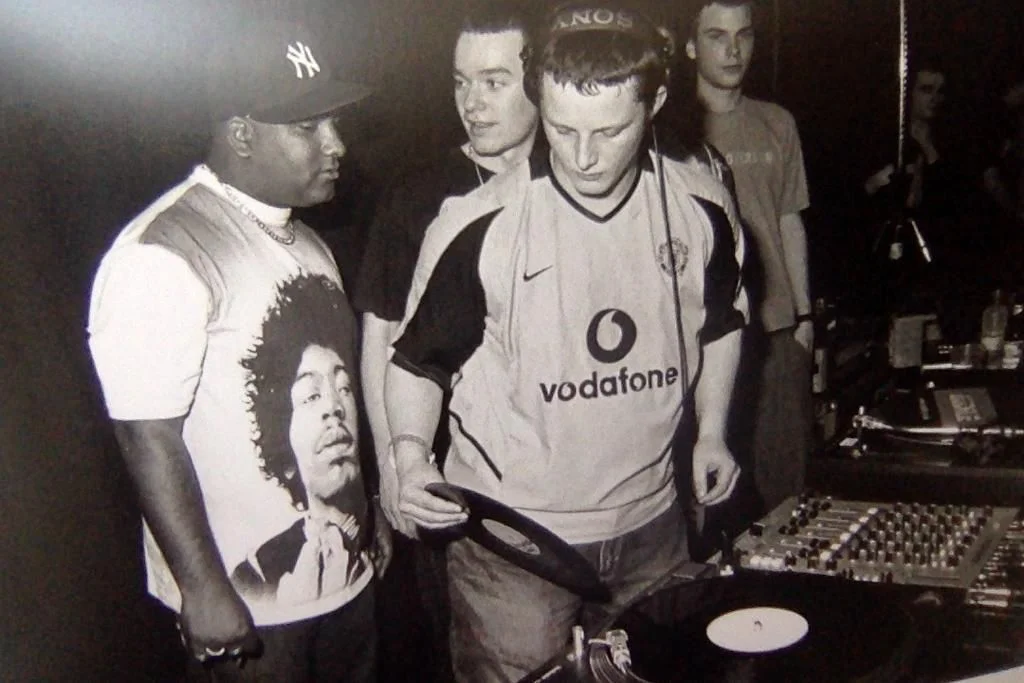
And it’s not just clothes. The wider culture around both football and raving is edging closer again. The move toward no-phones night-clubs feels similar to the growing impatience among fans with the sanitisation of football: VAR delays, commercial overkill, endless half-and-half scarves. Both scenes are yearning for something real, something unmediated. At The Warehouse Project, you see people dancing without filming themselves, lost in the crowd and the moment. On the terraces, you hear fans rediscovering the raw joy of singing themselves hoarse rather than scrolling mid- match. In a world that’s increasingly digital and disjointed, both offer a kind of analogue belonging.
It’s telling that Manchester, home of both rave culture and some of football’s most passionate fanbases, remains the epicentre of this convergence. WHP takes place in a vast former railway depot at Mayfield, just a stone’s throw from Piccadilly Station. It’s a fitting location, a place with industrial bones and communal spirit. You can imagine the ghosts of City and United fans echoing in its walls, the same energy that fills Old Trafford (under those leaky roofs) or nearly fills the Etihad finding a new outlet under the strobe lights.