




MA// BLOG
WHY THE JACKET IS STILL THE MOST IMPORTANT ITEM IN A MANS WARDROBE

There are certain things you can get away with cutting corners on. A cheap T-shirt. A pair of jeans that does the job for a season or two. Even trainers, if you’re honest, can be rotated in and out without too much thought. But the jacket is different. It always has been.
It’s the first thing people notice about your outfit. It carries you through seasons, through years, through versions of yourself. It gets worn on matchdays, on nights out, on walks home when it’s colder than you expected. It’s the layer that does the talking, whether you want it to or not. That’s why lads will spend on a jacket in a way they won’t on much else. Not out of vanity, but because it matters.
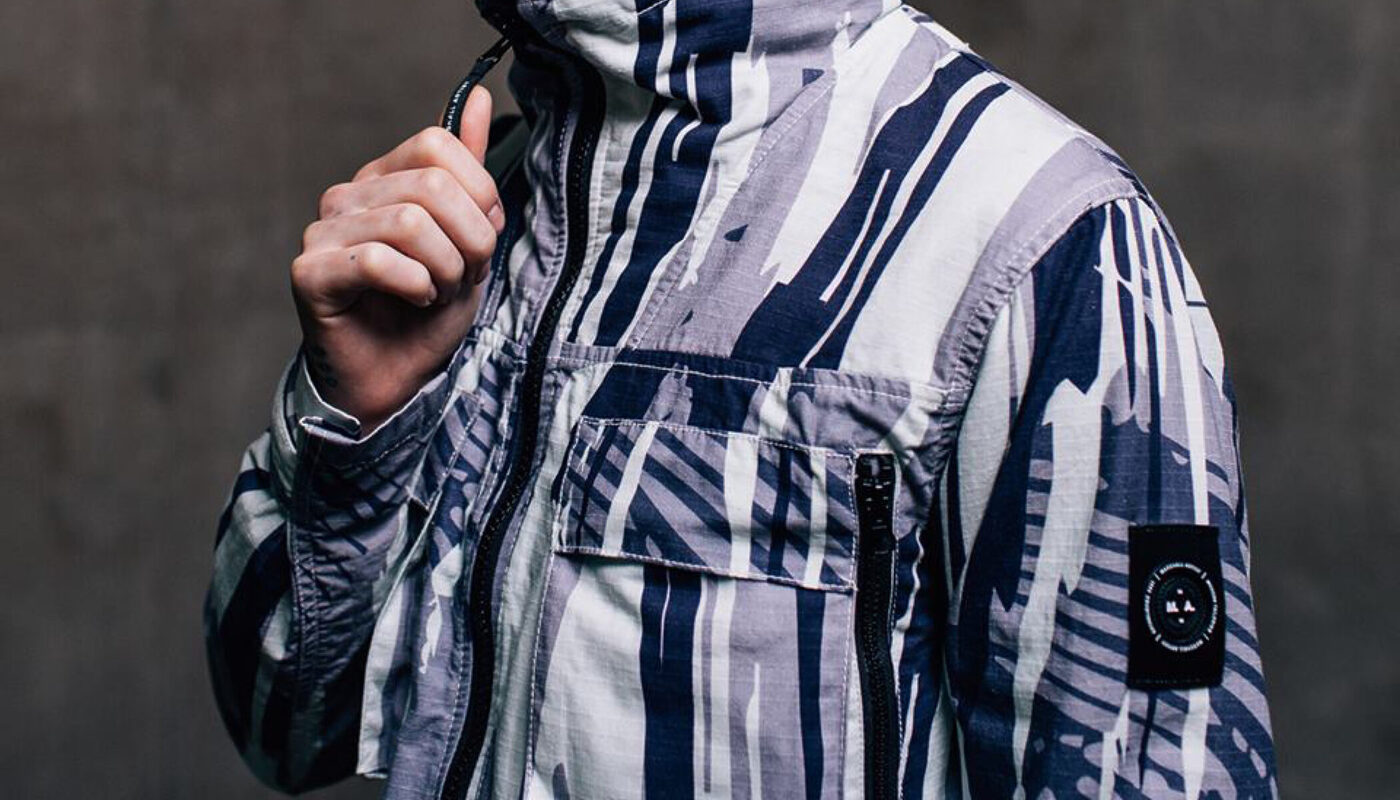
There’s something practical about that instinct. A good jacket is built to last. It needs to be. British weather doesn’t allow for anything flimsy or overly precious. One minute it’s mild, the next it’s raining horizontally, then a cold wind cutting through everything you thought would be enough. A proper jacket deals with all of that with minimum fuss. It works in the background. It earns its keep, like a journeyman midfielder who quietly racks up 100 appearances for your club while never putting in anything less than a seven out of 10.
But it’s not just about function. The jacket has always been one of the clearest ways to express yourself without overthinking it. On the terraces, especially, it’s part of a language that doesn’t need explaining. You clock someone’s jacket before anything else. You get a sense of where they’re at, what they’re into, how they carry themselves. It’s subtle, but it’s there.
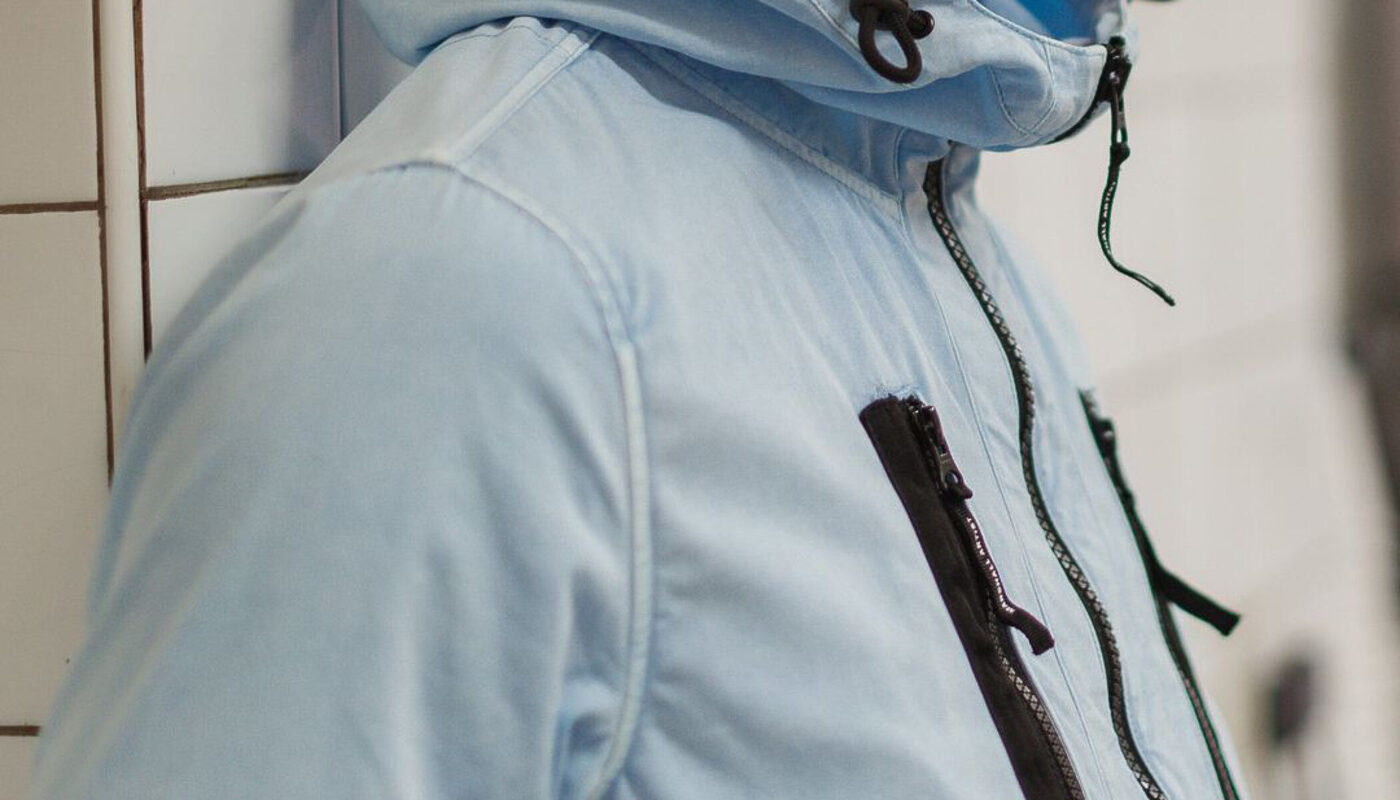
That’s been true for decades. From the early days of terrace culture, when fans started looking beyond club colours and towards something sharper, more considered, the jacket became central. It was practical, yes, but it was also a statement. Not loud, not forced, just deliberate. Something that said you cared about how you looked without needing to spell it out.
What’s changed is how that idea has evolved. The modern jacket has to do more. It has to move with you, work across different settings, and hold up in a world where you’re just as likely to be heading somewhere after the match as you are going straight home. It has to be versatile without losing its edge.
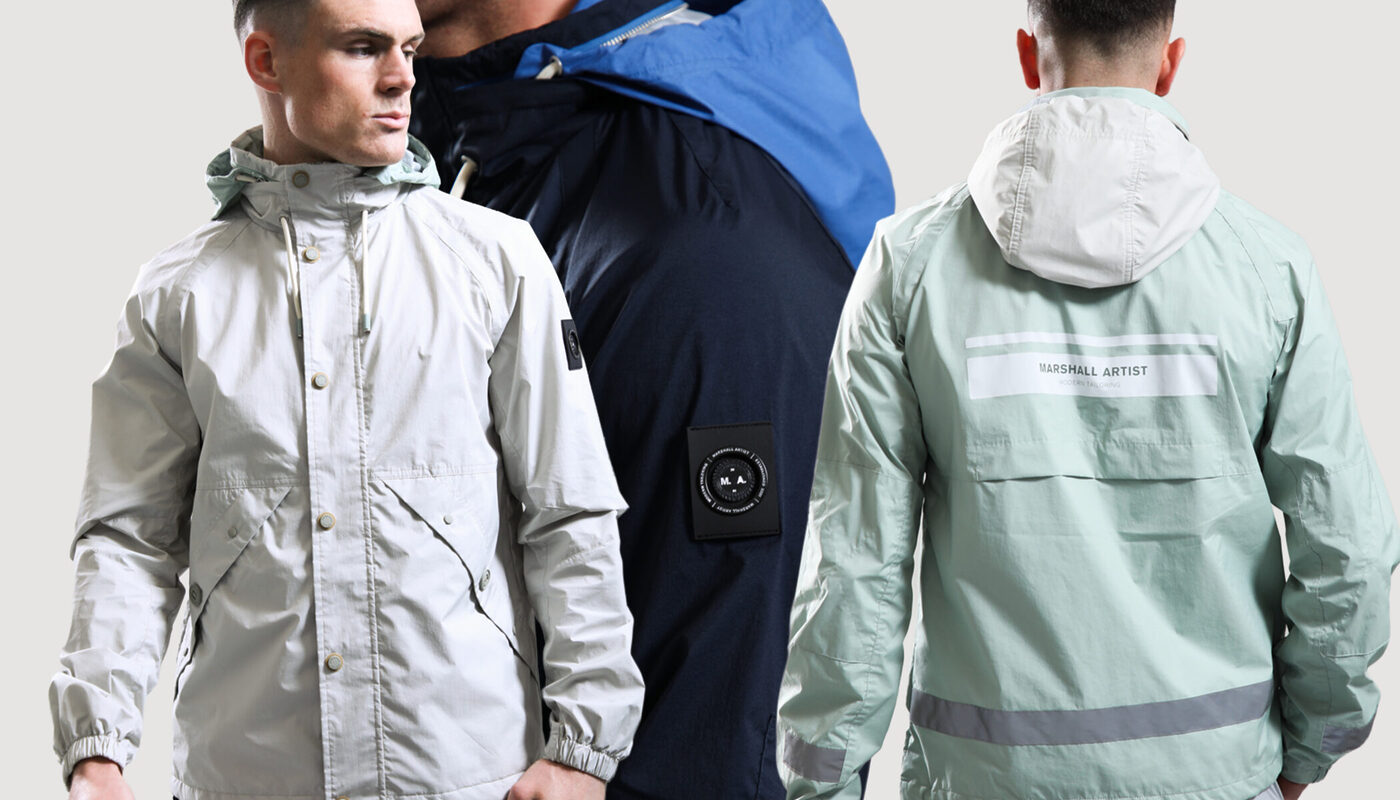
That’s where pieces like our Seafield and the Stanford jackets come in. They sit comfortably in that space between function and form, built with the realities of everyday wear in mind but still carrying that sense of identity that makes a jacket worth investing in.
Take the Seafield. At first glance, it’s clean and understated, the kind of jacket that doesn’t shout for attention but rewards a closer look. It’s cut from a bonded nylon shell with a mesh lining, which means it’s light enough for spring and summer but structured enough to hold its shape. You’re not dealing with something flimsy that loses its form after a few wears. It’s designed to move, to adapt, to be worn properly.
The details do the work. A concealed two-way zip sits beneath a buttoned placket, keeping the silhouette sharp. The pockets are practical without being bulky, with rubber-touch closures that feel considered rather than decorative. There’s a hidden secondary pocket tucked away, the sort of thing you only notice when you need it. And then there’s the packable hood, zipped away until the weather turns, ready without ever getting in the way.
What sets it apart, though, is the way it handles visibility and movement. The reflective strip that runs around the hem and through the sleeves isn’t just there for show. It catches the light as you move, subtle in daylight but more pronounced when it matters. It gives the jacket a sense of life, something that shifts depending on where you are and how you’re wearing it.
It’s a jacket built for real conditions. For walking to the ground, for standing around before kick-off, for heading into the evening when the temperature drops. It does what a jacket should do, and it does it without overcomplicating things.
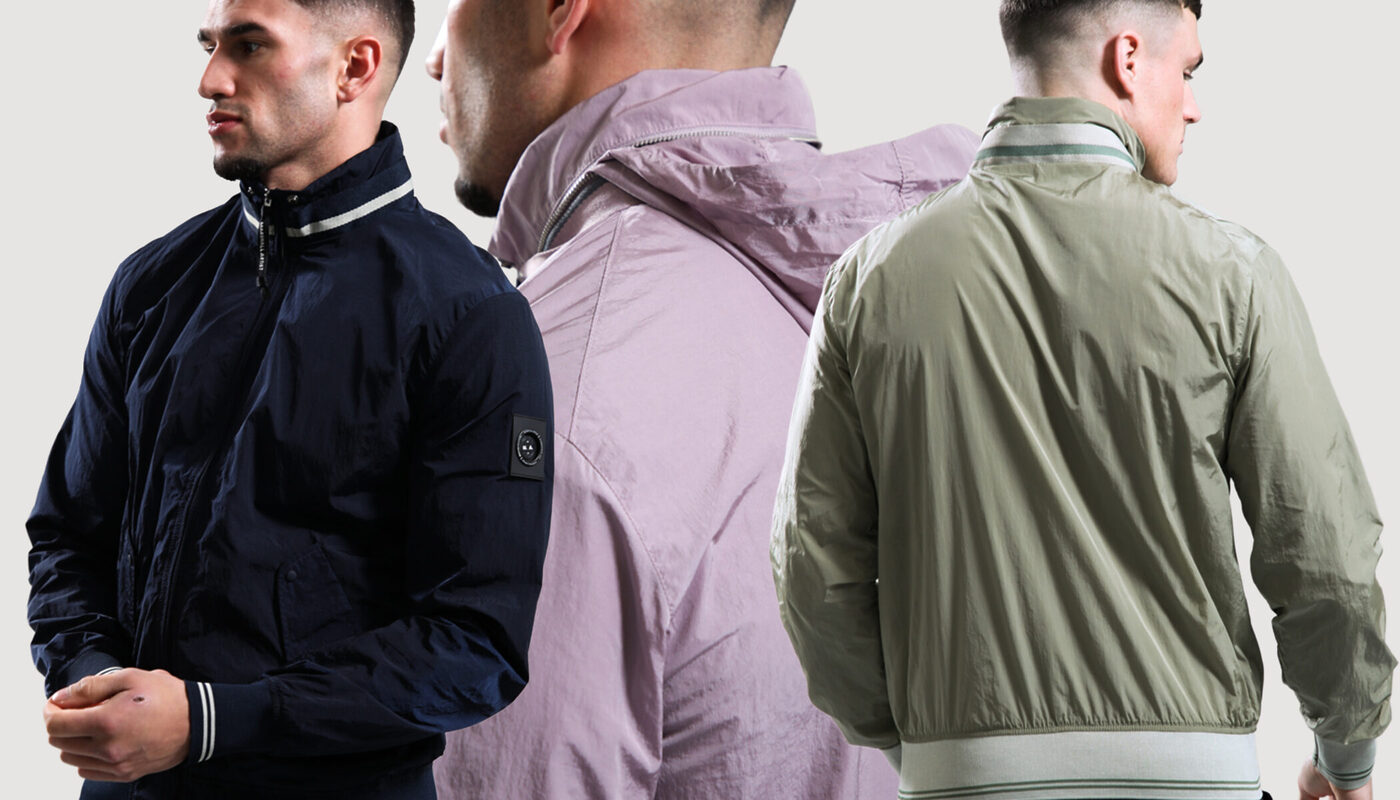
The Stanford takes a slightly different approach, but the principle is the same. It’s lighter, sharper in its finish, and geared towards versatility. Made from krinkle nylon, it has that slightly textured look that adds depth without being overbearing. It feels durable, but not heavy. Something you can wear all day without thinking about it.
Like the Seafield, it’s fully mesh lined, which makes a difference when you’re moving between indoors and out. It breathes properly. It doesn’t cling or overheat. The full-length zip keeps things simple, while the snap-closure pockets do exactly what you need them to do. No fuss, no excess.
The fit is where it comes together. Ribbed cuffs and waistband give it shape without restricting movement, so it sits properly whether you’re layering it or wearing it on its own. The packable hood is there again, neatly integrated, ready when needed. And the branding is kept where it should be: subtle, considered, part of the jacket rather than something stuck on top of it.
That’s what makes the jacket such an important part of a wardrobe. It’s not just about having something to throw on when it’s cold. It’s about having a piece that works across situations, that holds up over time, that becomes part of how you move through the world. It’s the layer that ties everything together.
In a time where fashion can feel disposable, where trends turn over quickly and cheaply, the jacket stands apart. It’s the thing you keep. The thing you go back to. The thing that still looks right a year, two years, five years down the line.
On the terraces, that still matters. Away from the noise of fast fashion and fleeting trends, there’s an appreciation for pieces that last, that feel considered, that carry a bit of weight to them. The jacket sits at the centre of that. Always has.
Because when everything else is interchangeable, the jacket isn’t. It’s the one piece that defines the rest.